

TENNESSEE VALLEY-People have called the Tennessee Valley, its mountains and broad fields ribboned with rivers, home for the last 12,000 years.
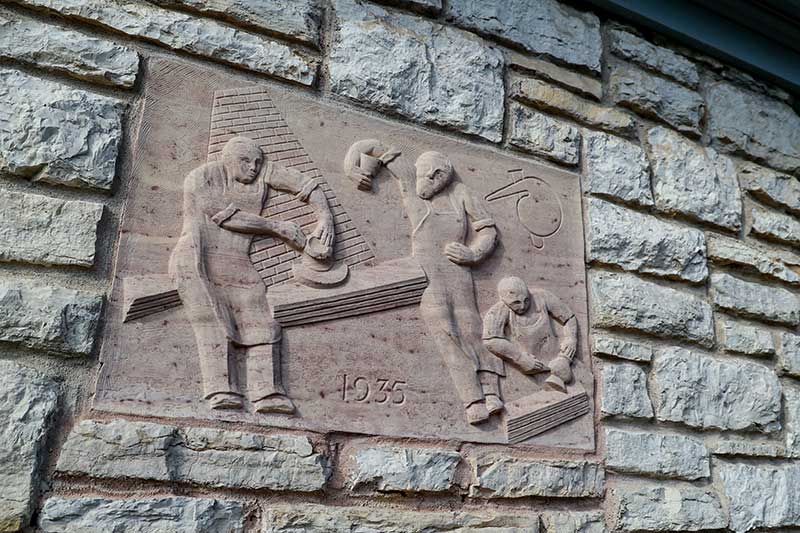
The places and objects that tell this history – including Native American artifacts and sites, historic buildings and landmarks, documents, dams and facilities over 50 years old – are protected under federal laws.
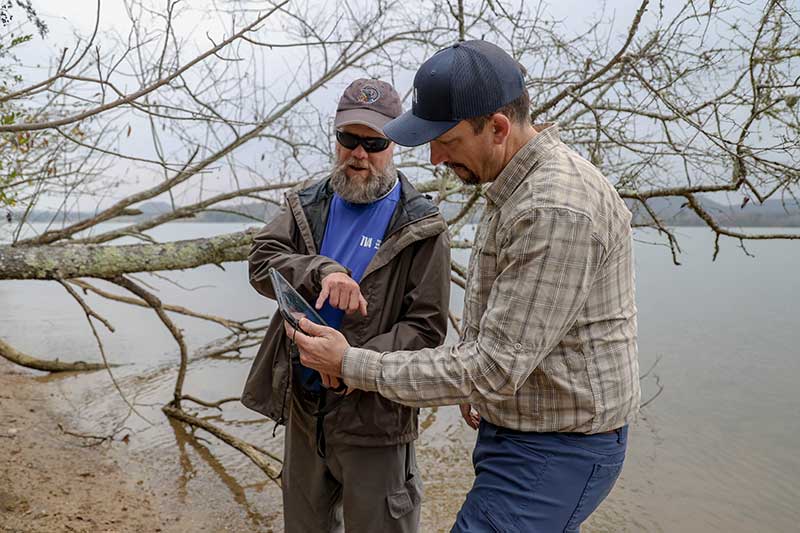
TVA’s staff work year-round throughout the seven-state service area. The team includes Cultural Resources archaeologists and architectural historians, who work closely with TVA police.

Together, the Cultural Resources staff identifies, manages and protects cultural resources in archives and on TVA-managed lands and waters.
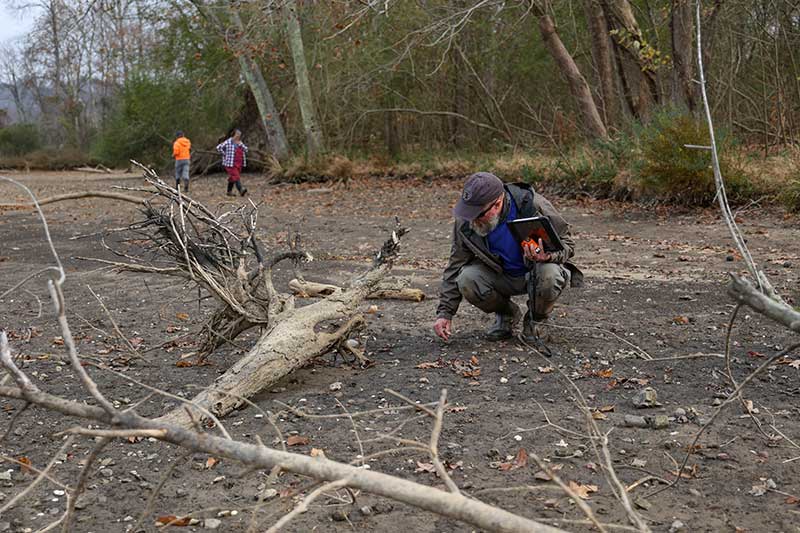
The oldest resources, Native American archaeological sites, include some of the most significant in the entire southeast United States.
Archaeological sites and artifacts on public lands, including TVA’s, are federally protected. TVA follows federal law to document, monitor and protect the sites and artifacts.
Disturbing sites or moving or taking artifacts can be a felony.
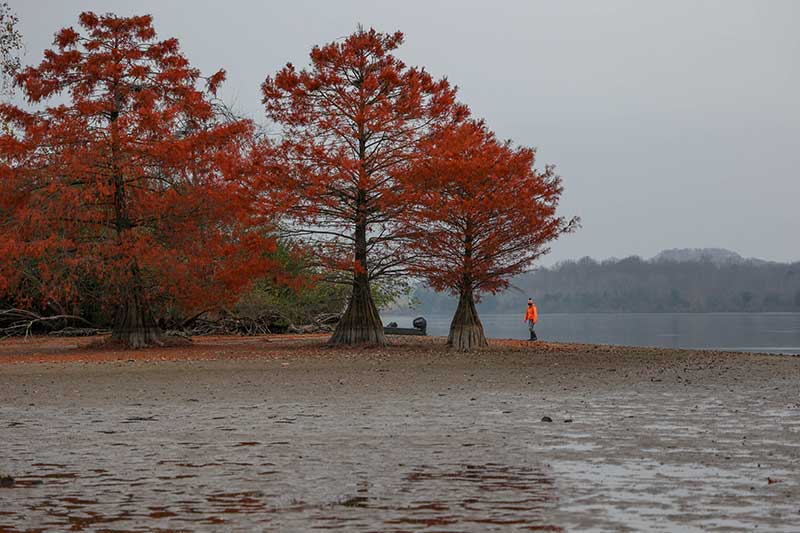
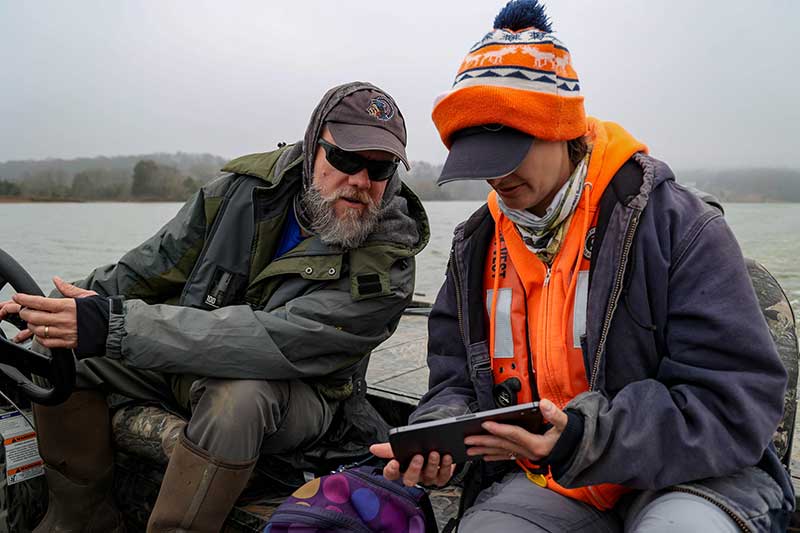
Each winter during reservoir drawdowns, TVA archaeologists boat to remote islands.
On some, only a few cypress trees with knobby knees grow. Other islands stretch out in acres of grassland: the sites of farms, bustling villages and grand palisades of the past.

At every site, archaeologists cross-reference topographic and digital maps to document location, conditions and any disturbance.
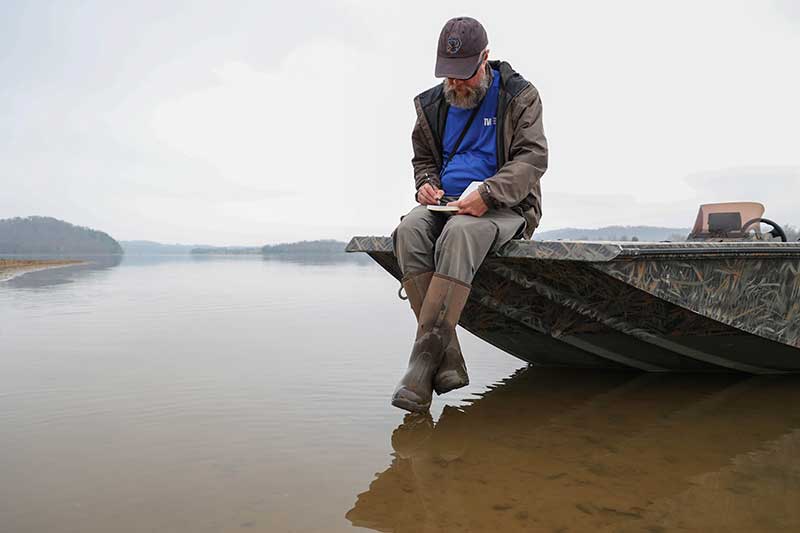
Whether objects prove sacred or ordinary, artifacts belong in place. They’re protected by the federal Archaeological Resources Protection Act of 1979.
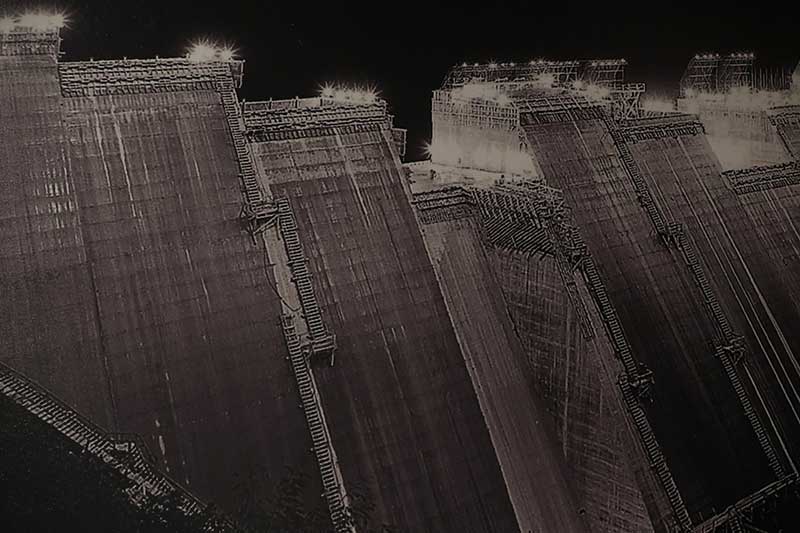
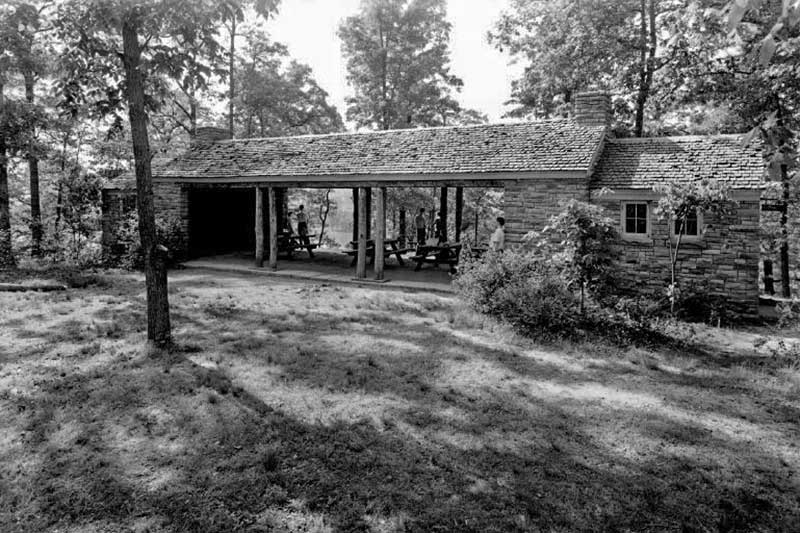
Much newer – and also federally protected – are historic buildings and structures across the Valley region.
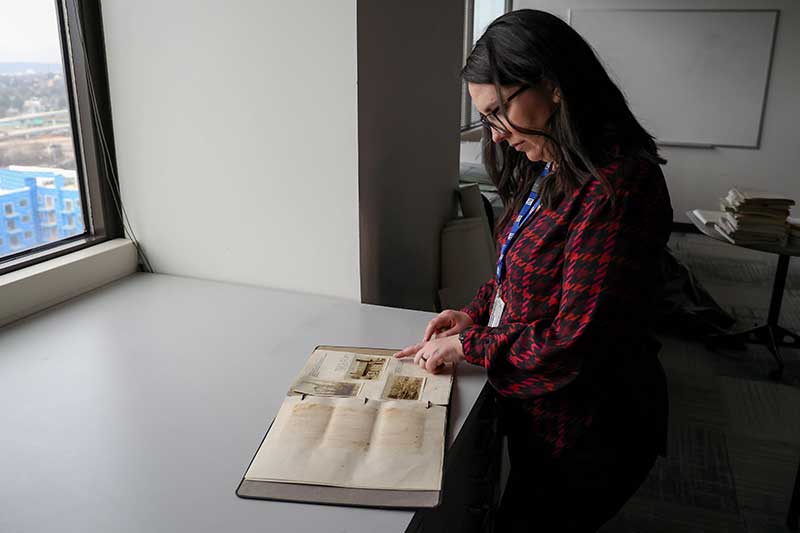
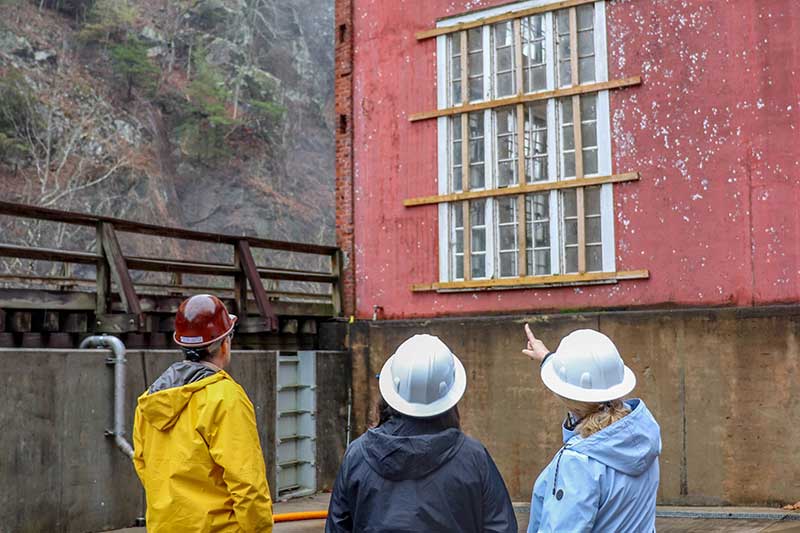
Architectural historians help preserve the story of TVA’s actions at a landscape level.
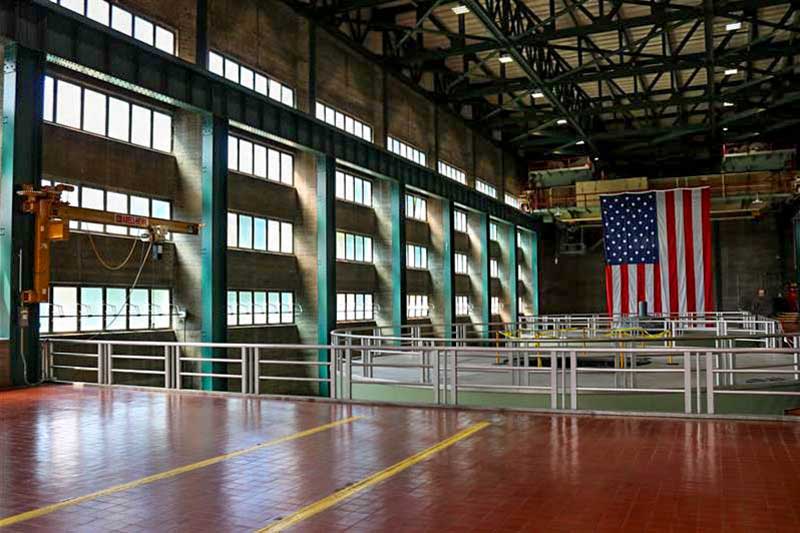
They use these records to guide TVA’s facilities teams in the maintenance of TVA’s historic architectural resources.
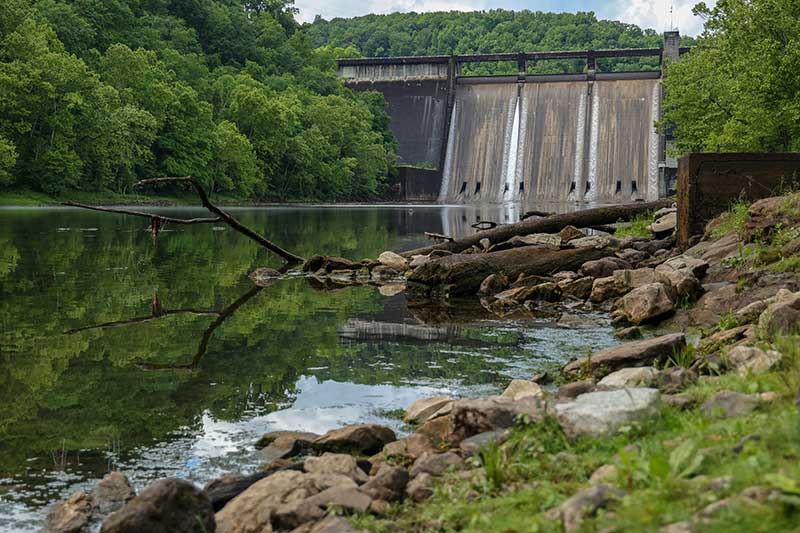 That’s important because many historic structures are still in use. TVA’s dams have produced hydropower for the last century. They tell the story of river management that saved lives and kept major cities safer from devastating floods. The photographs, drawings and other documents from dam construction reveal the monumental work that created them.
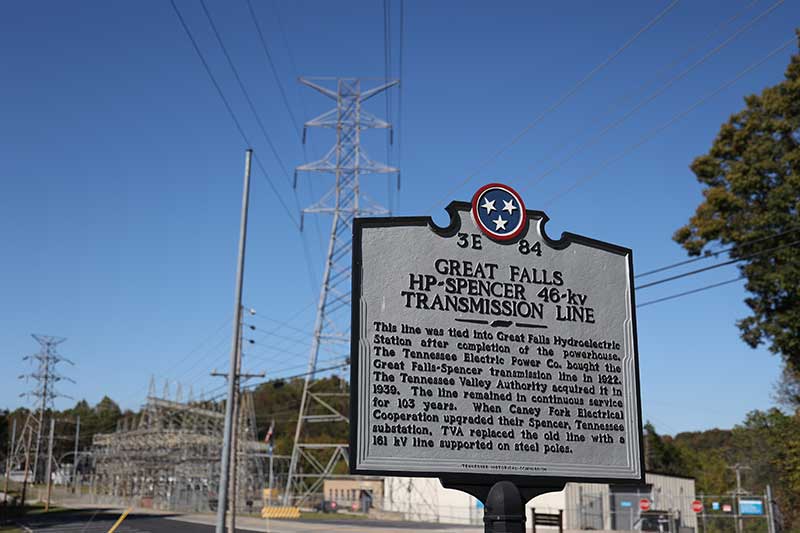
Even electric lines can be historic. Around the Valley region, some original transmission poles sit under modern lines. Electricity brought not only light and heat, but also jobs and increased standards of living.
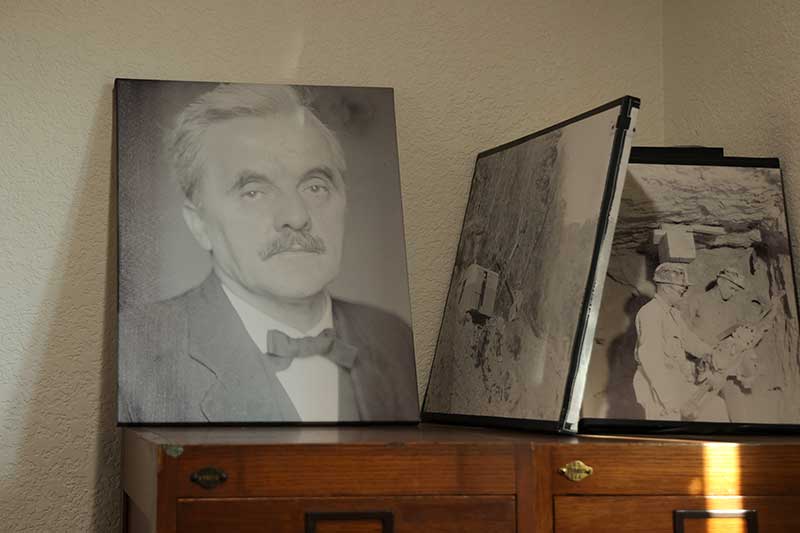
Photographs also honor the legacy of George Norris and others who built TVA.
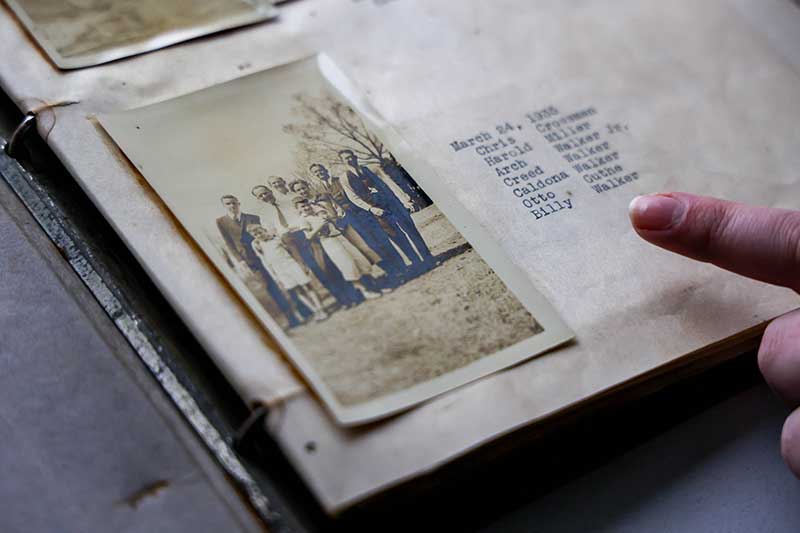
And they preserve stories of families whose ancestors lived in the region.
In all, TVA’s Cultural Resources work protects the rich history of the Valley region.
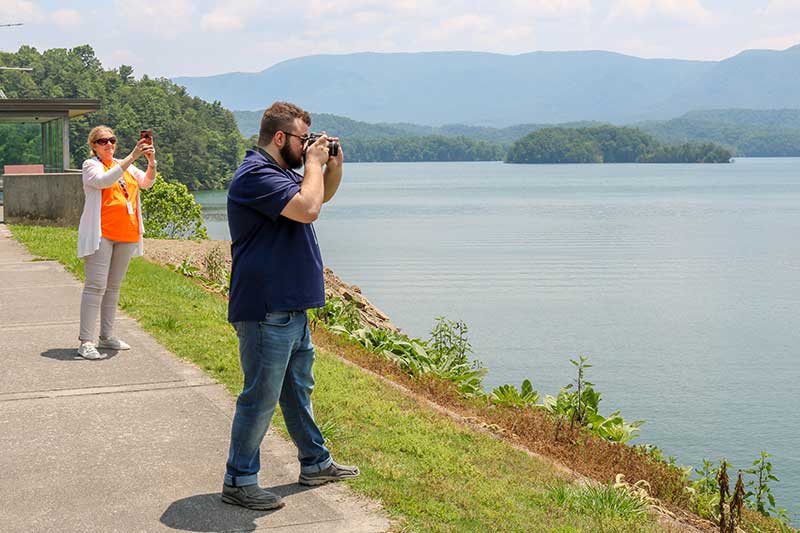
Their surveys, mapping and documentary work help TVA staff know exactly where resources are so they can detect illegal activity.
Working alongside TVA Police, Tribal representatives and Thousand Eyes Program volunteers, they comply with federal regulations to preserve artifacts, archaeological sites and other historic resources.
Stewarding the resources of the past – whether thousands of years old or from just a century ago – is TVA’s mandate.
The people who came before built the prosperous culture, energy and economic landscape residents of the Tennessee Valley enjoy today.
Media Release/Tennessee Valley Authority

