
TENNESSEE VALLEY-Baby mussels may not be cuddly and cute in a traditional sense, but they’re powerhouses when it comes to keeping rivers clean.
Every mussel filters about 10 gallons of water each day.
Multiply that by millions of native mussels working around the clock in Tennessee Valley rivers, and that adds up to a lot of clean water.
Healthy mussels keep our rivers – and our region – running. By monitoring these vital species, TVA helps protect the natural filtration that keeps water flowing cleanly and reliably both to its power plants and for the benefit of the millions of people who live in and visit the region.
People fish and swim in the region’s rivers, they build businesses along the banks and reservoirs, and they depend on TVA to manage the rivers for recreation, navigation, flood control and power production. Healthy mussels are foundational to bringing over than $8 billion in economic benefits just in Tennessee.
Yet some of these essential mussel populations are in decline.
Sediment washes from roads and construction. Runoff flows from farms and cities.
These pollutants cloud the water and change its chemistry, making it hard for mussels to filter, feed and breed.
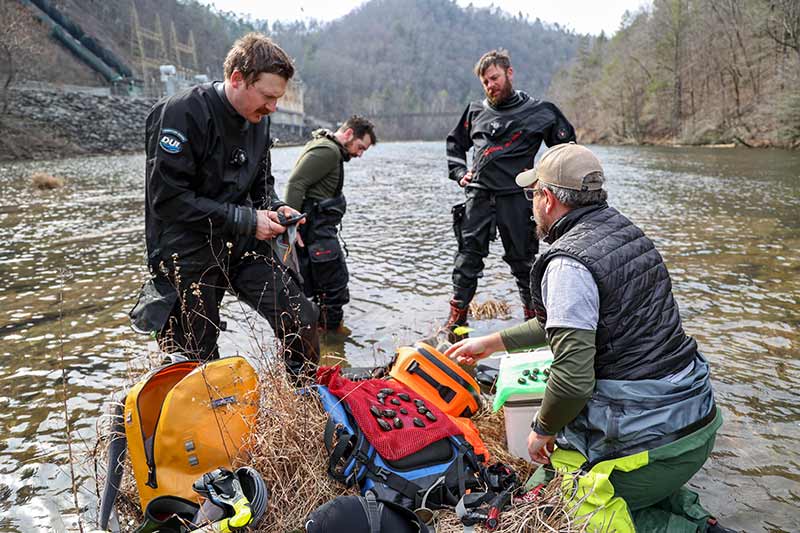
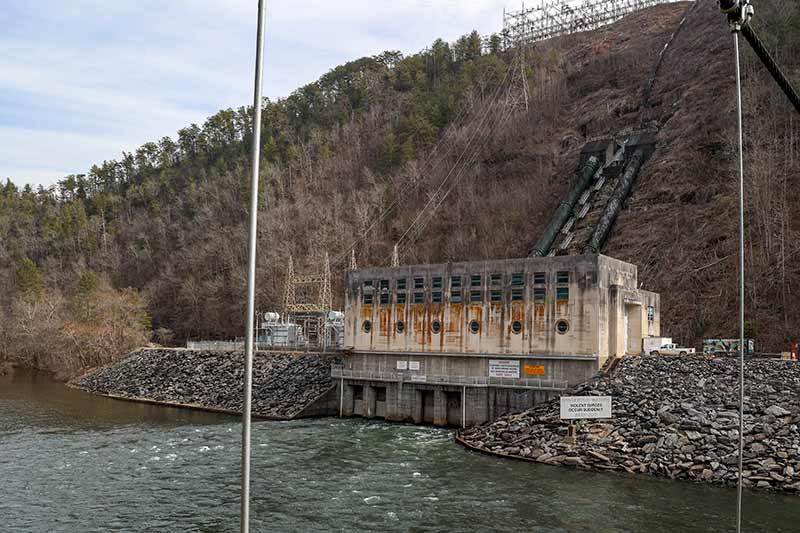
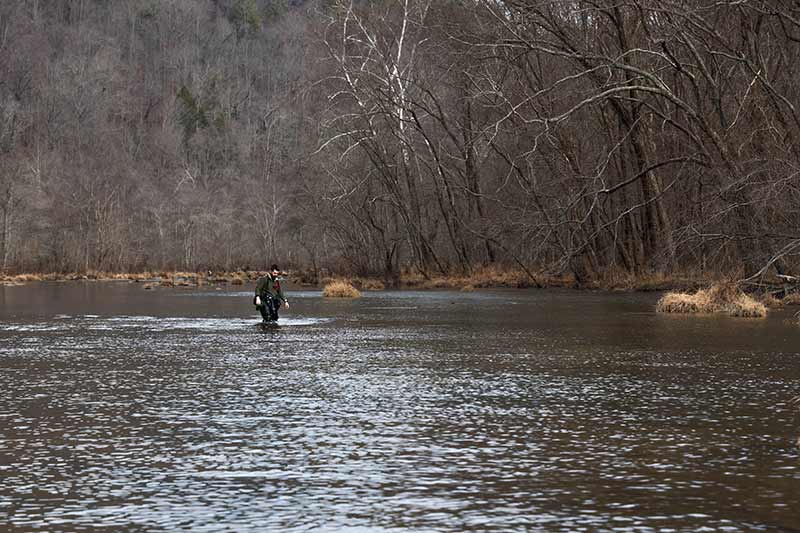
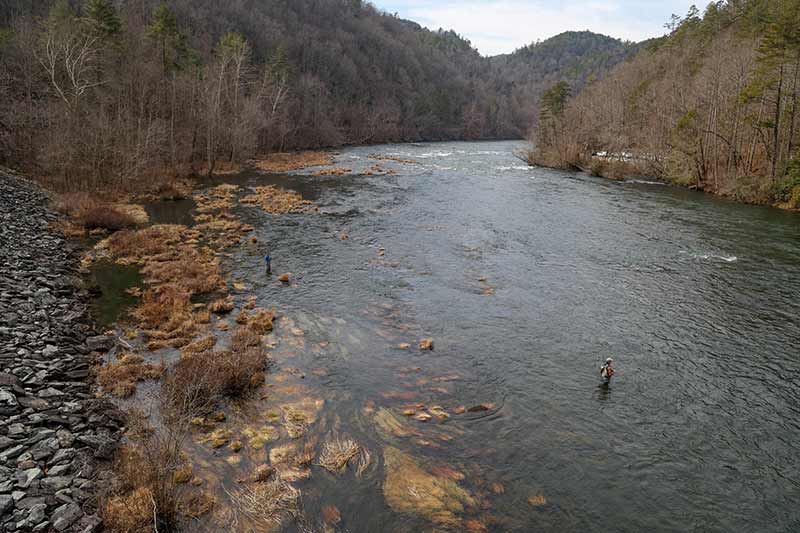
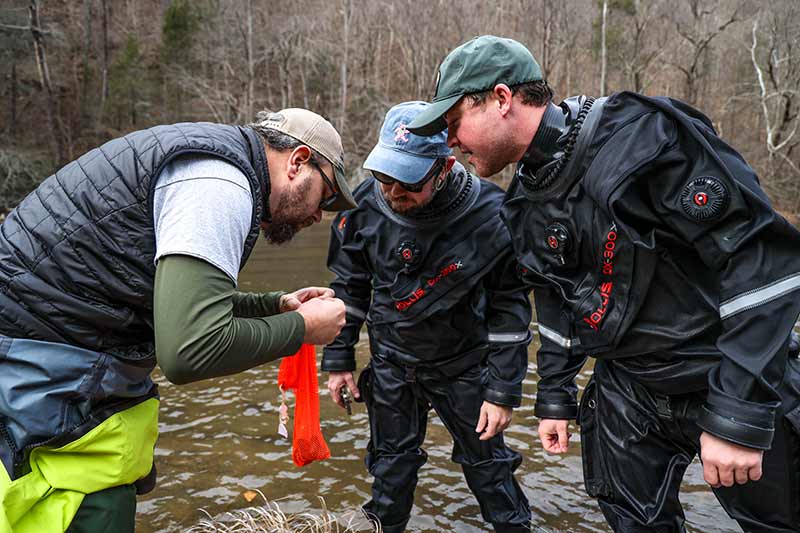
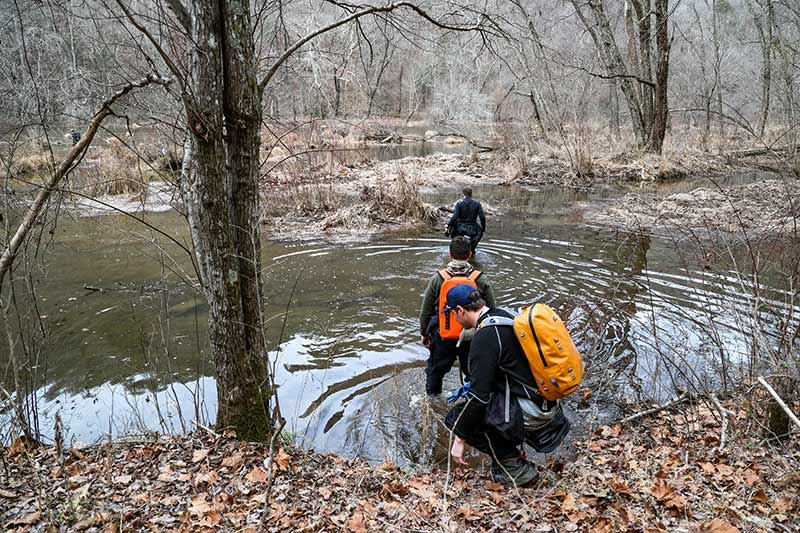
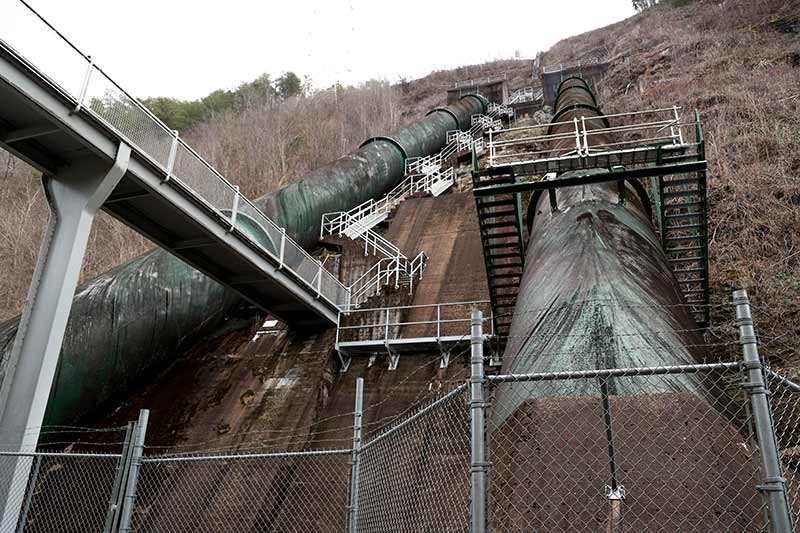
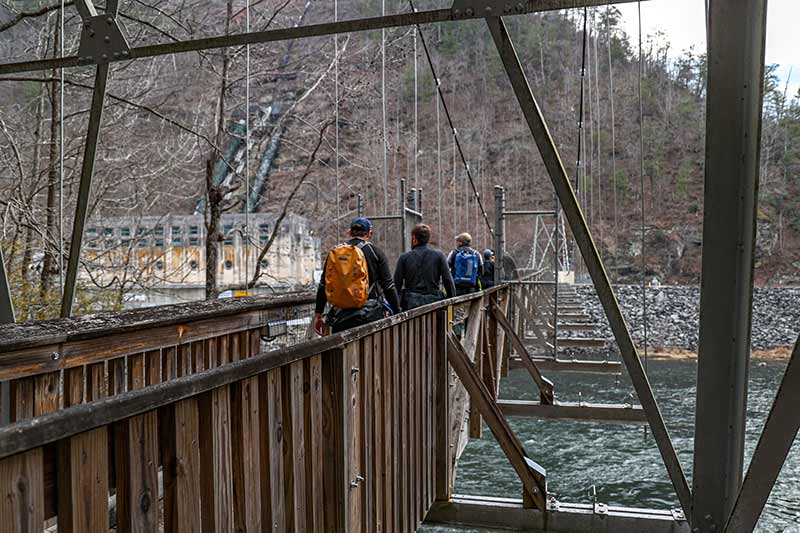
TVA and TWRA biologists search for the endangered Tennessee bean mussel in the Hiwassee River near Apalachia Powerhouse.
To help threatened and endangered mussel populations rebound, TVA has partnered with the U.S. Fish and Wildlife Service and state agencies on a Mussel Recovery Initiative – a long-term effort across some of the most remote river reaches in the Southeast.
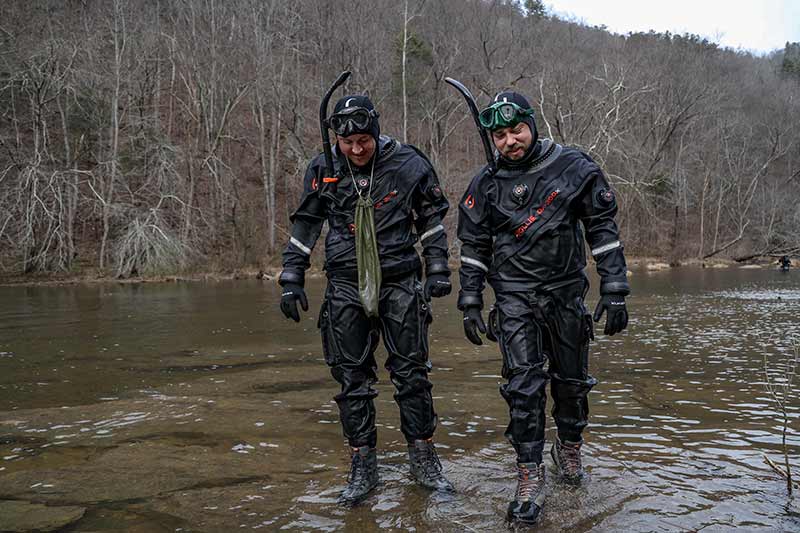
On one recent day, TVA biologists joined the Tennessee Wildlife Resources Agency to collect endangered Tennessee bean mussel broodstock.
The mother mussel guards tiny glistening larvae, called glochidia, inside her shell.
She waits in the river for just the right moment her host fish darts by. Then, she wiggles a worm-shaped lure in the fish’s face to draw it close before spraying 5,000 to 7,500 larvae into its mouth.
The larvae will stay with the fish for several weeks, then drop off as the fish swims.
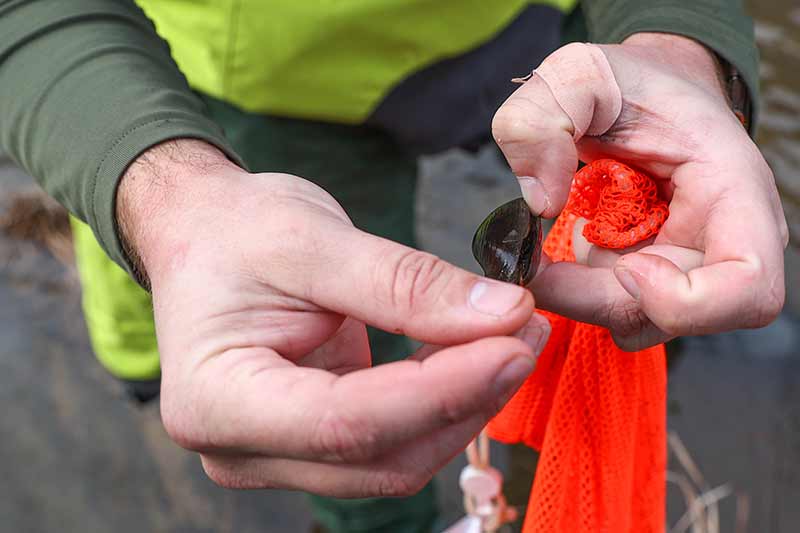
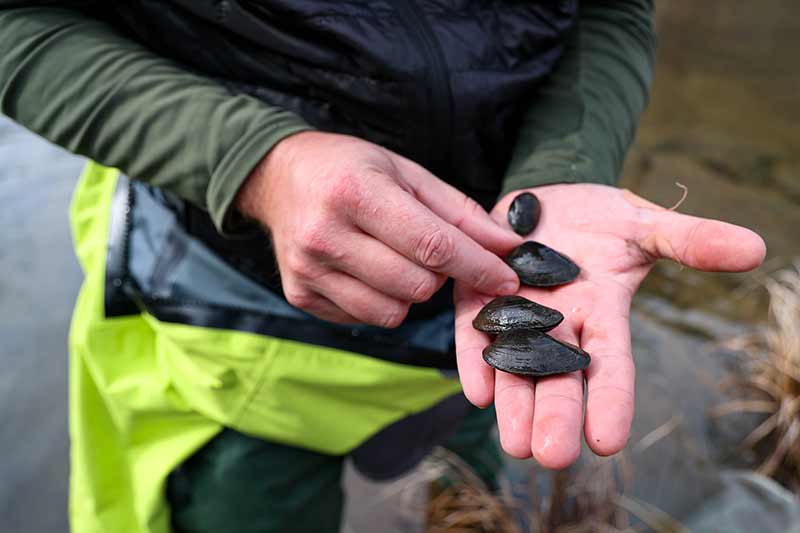
Oval, ridged and brown, the Tennessee bean mussel looks like a rock to most people.
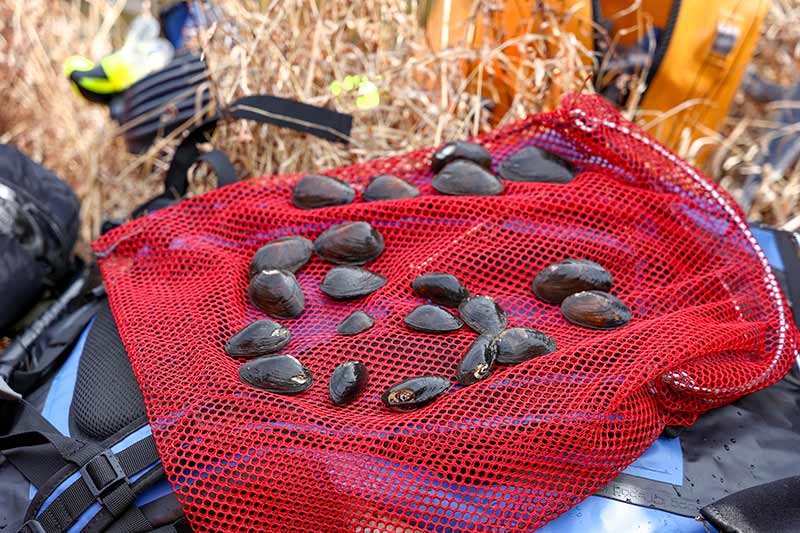
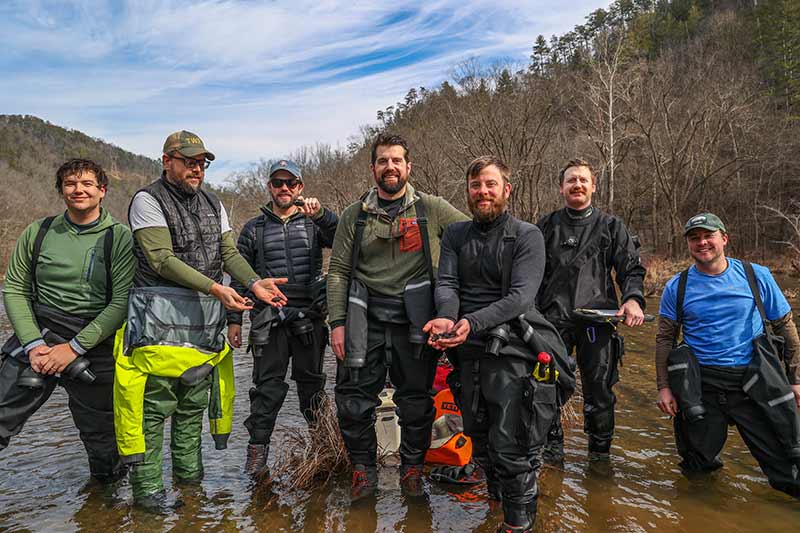
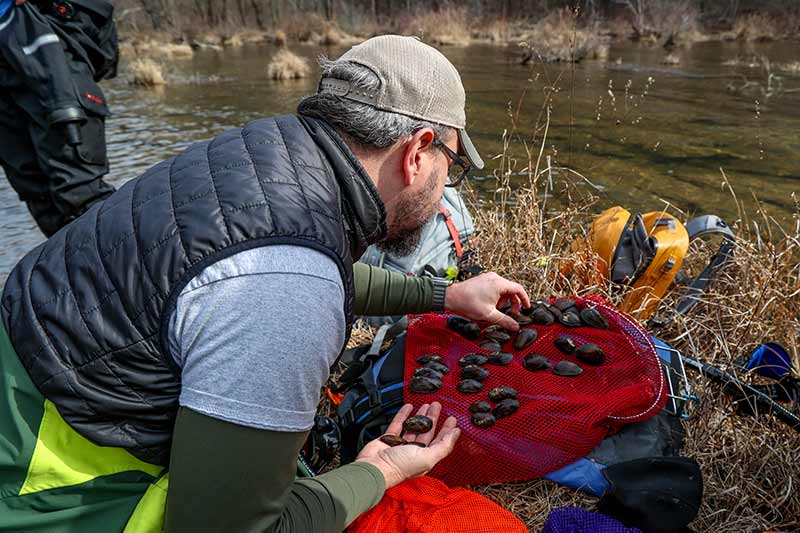
Biologists identify and measure mussels as a baseline survey.
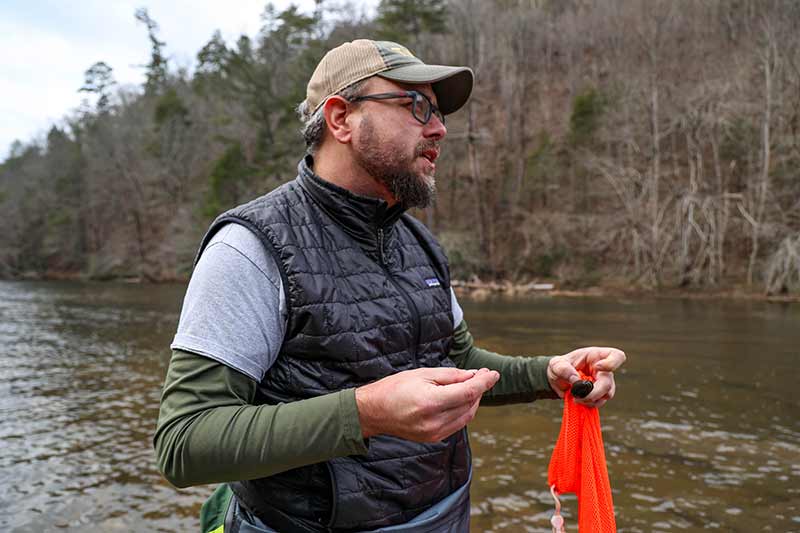
Not to malacologists – trained mussel experts – such as TVA biologist Matt Reed, the TVA Fisheries and Aquatic Monitoring crew and Tennessee Wildlife Resources Agency mussel propagation manager Tim Lane.
They donned dry suits before dipping into frigid water with bright-colored mesh bags.
Below the surface, the spawning mussels nestled into crevices in slabby, algae-slick rocks. Scientists scanned for their siphons in the fine sandy substrate.
The biologists bagged all the mussel species they found: the Tennessee bean, Tennessee clubshell, common spike, rainbow and wavy-rayed lampmussel.
They measured their shells with calipers before releasing the non-target species, so they had a baseline of what lived here now.
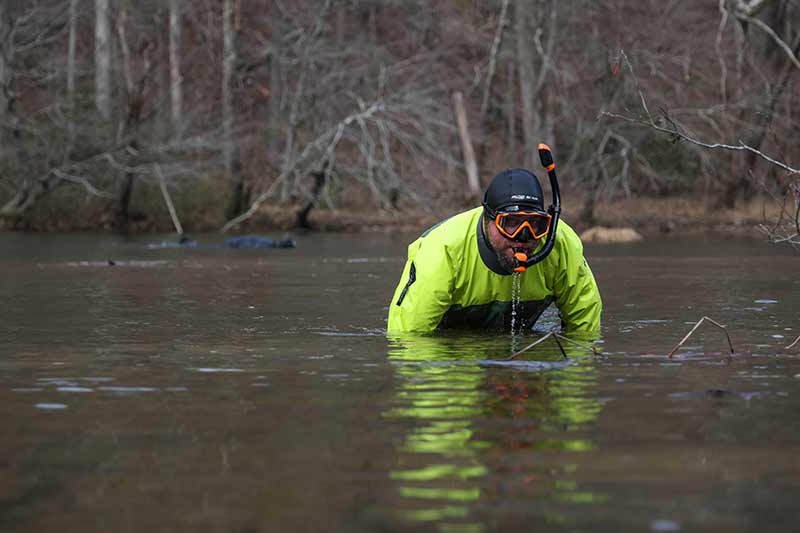
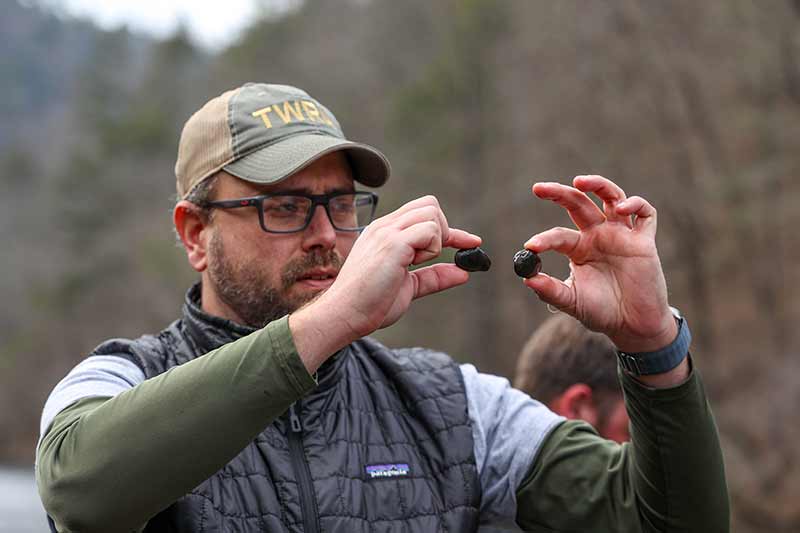
TWRA biologist Tim Lane partners with TVA as part of the Mussel Recovery Initiative.
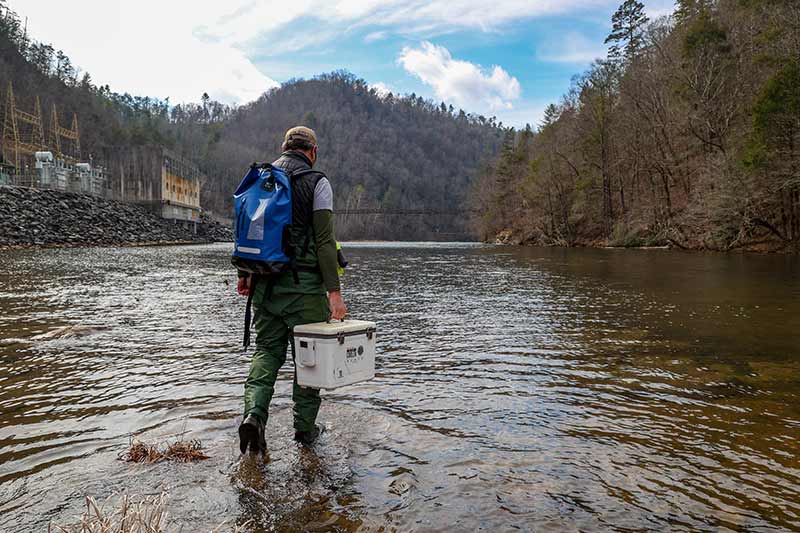
The Tennessee bean mothers traveled back to a hatchery at the Alabama Aquatic Biodiversity Center in an oxygenated cooler. There, biologists match each mussel mother with her host fish – in this case, a darter – before returning the mussels to their home river.
The glochidia, meanwhile, will cling to the host fish’s gills until they’re large enough to detach.
Biologists track the mussels’ growth carefully.
When the fingernail-sized baby Tennessee beans are big enough, TVA and partners will tag their shells and release them in targeted rivers where they once lived.
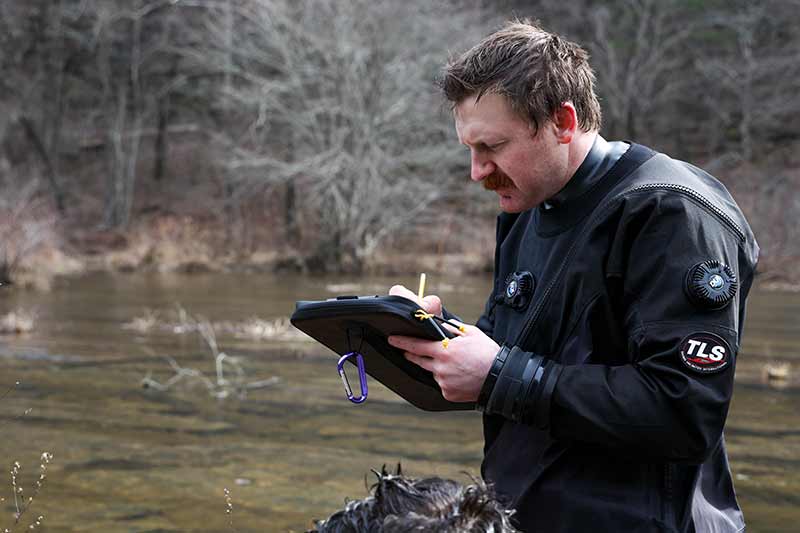
TVA biologist Aaron Coons records data during Mussel Recovery Initiative work.
This multiyear effort aims to restore populations by collecting one batch of threatened or endangered mussel mothers at a time.
The work – of both mussels and biologists – is essential but largely unseen.
The mussels filter water silently.
The biologists snorkel in pockets of wild rivers.
Downstream, communities reap the economic, recreational and health benefits.
These long-term partnership efforts help ensure native mussels can thrive, keeping the rivers people depend on clean.
Media Release/TVA River Neighbors

