
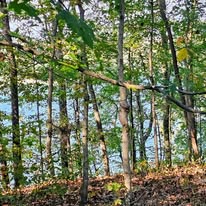
TENNESSEE VALLEY-TVA program manager and arborist Randy Short speaks about trees like they are his friends.
“Seeing the resilience and determination of trees, and the ecosystem in general, never ceases to amaze me,” he said.
Among his various roles and responsibilities, Short specializes in tree assessments to ensure trees located on TVA property are not hazards to the public or TVA assets. His area of coverage encompasses Watts Bar Dam upstream, specifically at TVA-developed campgrounds or day-use areas.
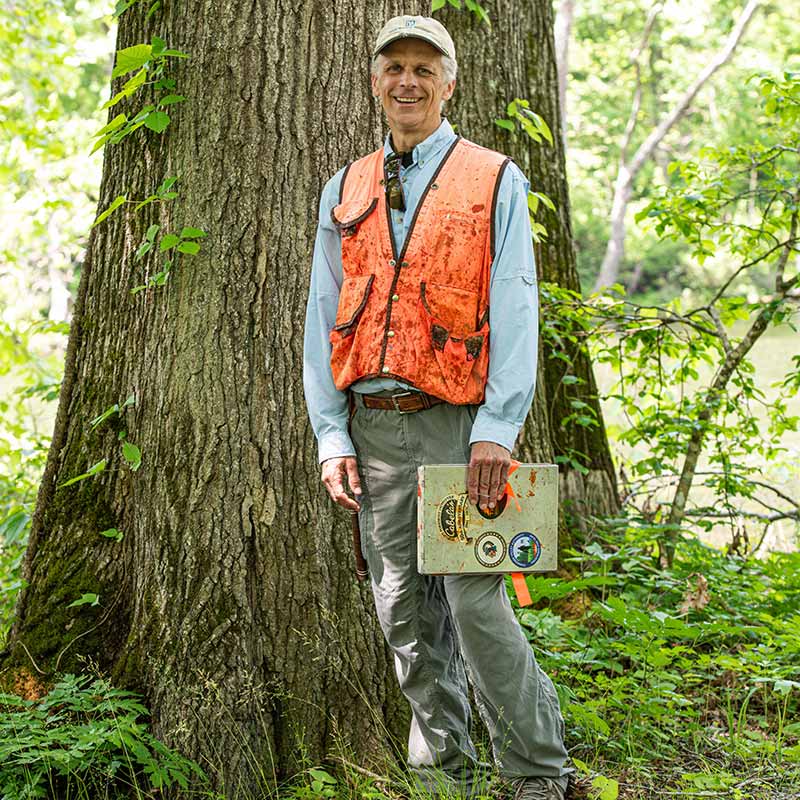
What may look like a stroll in the park to some is actually a careful and skilled evaluation.
Scanning trees for any sign of degradation, Short conducts a meticulous search. He’s looking for insect infestation, disease, dead limbs or any damage a storm might have caused.
When storms from Hurricane Helene came through the service territory, they caused significant tree damage at Watauga and South Holston Reservoirs. One tree, in otherwise healthy condition at a day-use area at South Holston Dam Reservation, fell across a pedestrian bridge, taking out an entire section of the walkway.
“We try to be as proactive as we can to assess trees and the possibility of impending failure,” Short said. “We don’t want the tree to get to a weakened state. If it’s been damaged by beavers or insects, we go ahead and take those out to keep the public safe. But sometimes acts of nature take out healthy trees.”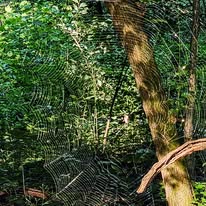
TVA’s attention to and management of trees goes back to its founding in 1933 – when afforestation and reforestation were vital to promoting a thriving region.
Since then, TVA has supplied or planted approximately 1 billion trees across its service territory. Having an ample number of trees helps to reduce soil erosion which, in turn, decreases the amount of sediment entering the waterways. These proactive measures have improved water quality throughout the Valley region and have also prolonged the lifespan of TVA reservoirs.
Additionally, as part of TVA’s responsibility to maintain transmission lines and keep electricity flowing, the enterprise manages tree growth near powerlines and offers guidance on the types of species that are compatible with TVA right-of-way easements.
Proper tree care is directly related to TVA’s mission of operational excellence, and healthy trees also invite people – and animals – to gather.
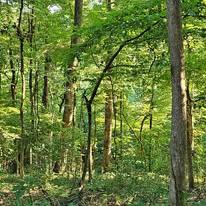 Strong, picturesque canopies provide shade and hiking opportunities to visitors, making TVA campgrounds and public lands a popular destination for outdoor enthusiasts. Exfoliating bark and cavities also provide shelter for bats.
TVA’s biological compliance teams in Environment and Stewardship monitor roosting sites, evaluating tree characteristics like diameter, height, sun exposure and proximity to water – factors that influence bats’ roost selection.
Short has looked after these areas for 13 years.
“I nearly have the trees named,” he said, smiling.
For example, there’s an eastern red cedar at a campground near Douglas Reservoir that looks haphazard and has a slight lean to it. Every year, Short comes back to find it thriving despite its awkward shape.
“I look for indicators every year – an upthrust of roots or disease – but it’s doing well,” he said. “I just give it a pep talk every year and say, ‘Hang in there – you’re doing great.’ I’ve always had a heart for the underdog.”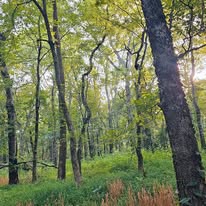
Short walks through the trees, marveling at his piece of the forest and the role he plays.
Of TVA’s nearly 300,000 acres of land, only a fraction is under the watchful eye of this thoughtful arborist. But like the roots of the trees he has befriended, his care runs deep.
“Trees are a lot like people,” he said. “They all have different characteristics, strengths and weaknesses, all with a different role. But, when they form a forest, amazing things happen.”
Media Release/TVA River Neighbors

