
222

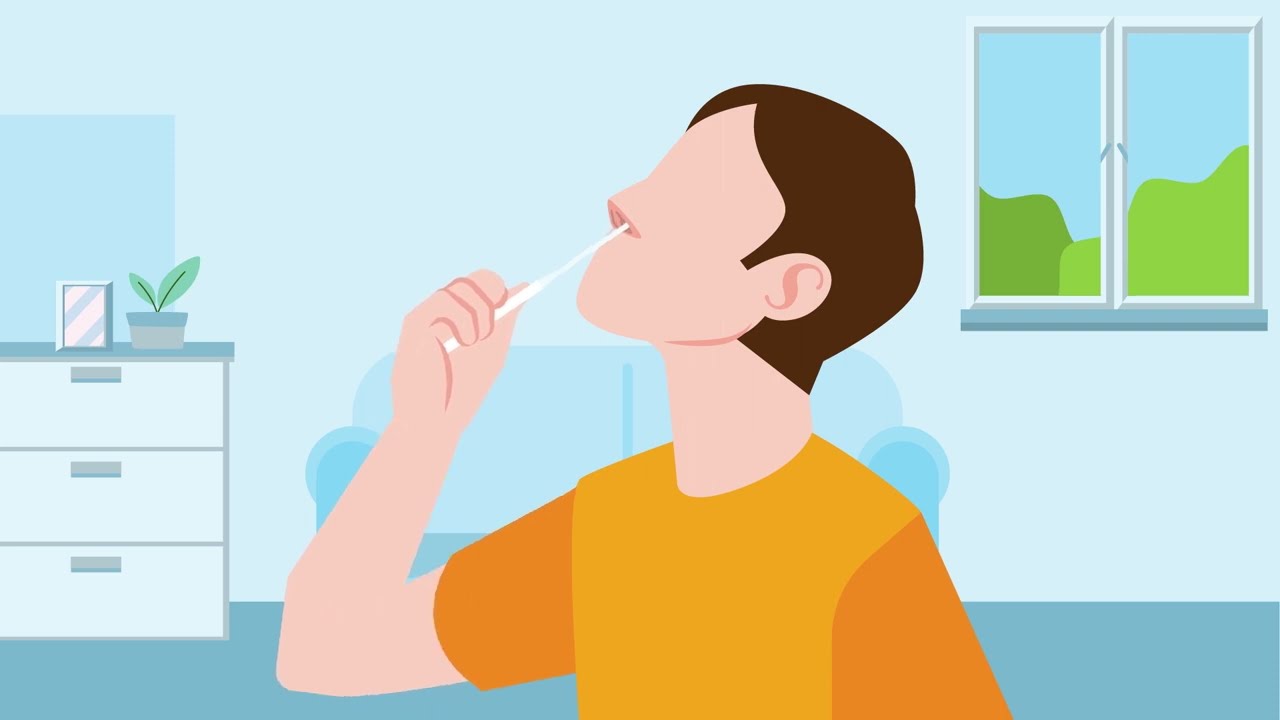
 ATLANTA, GA-Self-tests for COVID-19 give rapid results and can be taken anywhere, regardless of your vaccination status or whether or not you have symptoms.
When To Take an At-Home COVID-19 Test:
- Test immediately if you have any COVID-19 symptoms
- Test at least 5 days after you were exposed to someone with COVID-19. If you test negative for COVID-19, consider testing again 1 to 2 days after your first test
- Test before you go to an indoor event or a gathering. This is especially important before gathering with individuals at risk of severe disease, older adults, those who are immunocompromised, or people who are not up to date on their COVID-19 vaccines, including children who cannot get vaccinated yet
Order free tests at COVIDtests.gov.
What is a Self-Test or At-Home Test?
Self-tests for COVID-19 give rapid results and can be taken anywhere, regardless of your vaccination status or whether or not you have symptoms.
- They detect current infection and are sometimes also called “home tests,” “at-home tests,” or “over-the-counter (OTC) tests.”
- They give your result in a few minutes and are different from laboratory-based tests that may take days to return your result.
- Self-tests along with vaccination, wearing a well-fitted mask, and physical distancing, help protect you and others by reducing the chances of spreading COVID-19.
- Self-tests do not detect antibodies which would suggest a previous infection and they do not measure your level of immunity.

