

Key Points –
- TVA will lead the way for advanced nuclear technology, applying a systematic approach to exploring technologies and potential locations for advanced nuclear reactors to support TVA’s decarbonization goal as outlined in its Strategic Intent and Guiding Principles.
- TVA will partner with other utilities, government agencies and research institutes to mitigate costs and risks associated with advancing this new technology.
- The New Nuclear Program would also oversee a project to prepare an NRC construction license application for a light-water, small modular reactor at the Clinch River site, subject to required environmental reviews and Board approval.
- Key national, regional and industry leaders are supportive of TVA’s plans for advanced nuclear technology.
 BOWLING GREEN, KY ― The Tennessee Valley Authority Board of Directors ratified approval of a programmatic approach to exploring advanced nuclear technology as a component of its decarbonization goals as discussed at its meeting on the campus of Western Kentucky University on Feb. 10, the board’s first in-person meeting since the COVID-19 pandemic began.
As part of the development of innovative, cost-effective technologies that will achieve TVA’s aspiration of a net-zero carbon energy future, as outlined in its Strategic Intent and Guiding Principles, advanced nuclear is one of several technologies TVA is investigating. Other technologies include next generation energy storage, carbon capture, new hydroelectric pumped storage and hydrogen. In addition, TVA continues to expand its renewable energy portfolio, including the targeted addition of up to 10,000 megawatts of solar energy by 2035.
“Achieving a carbon-free energy future is a shared priority and TVA is developing a diverse portfolio of clean energy sources – like advanced nuclear technologies – that will help address this challenge,” said Jeff Lyash, TVA president and chief executive officer. “There is no single answer to achieving our nation’s clean energy targets – it will require collaboration and innovation. Working alongside industry partners will allow TVA to go further, faster in developing innovative, cost-effective technologies that will not only help the people of the Tennessee Valley but also support the energy security of the nation.
“We cannot meet the energy needs of tomorrow by making small changes in today’s power system. We must work toward a net-zero carbon future today at a programmatic level and, combined with the efforts we’ve already undertaken over the past few years, that is what TVA’s New Nuclear Program enables us to do.”

Jeff Lyash
The New Nuclear Program will provide a disciplined, systematic “roadmap” for TVA’s exploration of advanced nuclear technology, both in terms of various reactor designs being proposed and potential locations where such facilities may be needed in the region to support future energy needs. The process will include specific decision points that would allow TVA to withdraw from plans or projects if they are no longer feasible or not in the best interest of the region.
The New Nuclear Program will also coordinate TVA’s collaborative efforts with other utilities, government agencies, research institutions and organizations on advanced nuclear technologies. Working with other interested parties helps spread the financial and technical risks associated with developing new, innovative solutions.
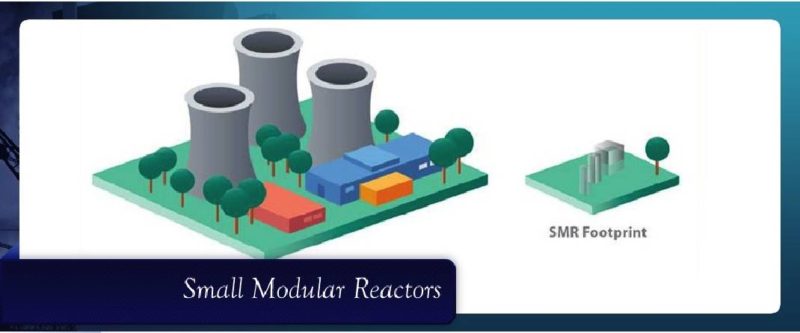
One of the first tasks the New Nuclear Program will pursue is a project to develop a Nuclear Regulatory Commission construction permit application and potentially deploy a light-water small modular reactor at the Clinch River site near Oak Ridge, which currently holds the only NRC early site permit for SMRs in the nation.
“While we will continue to support and examine all of the various SMR designs being proposed, we believe that light-water SMR designs, which are closely related to the current generation of TVA’s large nuclear units, are more mature and closer to commercial deployment within the next decade,” said Lyash. “For that reason, we are currently in discussions with GE Hitachi to support their BWRX-300 light-water SMR design, which will help inform a future decision about potential deployment.”
Although no final decisions have been made, the knowledge gained from collaborative efforts with GE Hitachi and others, combined with a draft programmatic environmental impact statement that will be issued in the near future, and will examine various advanced nuclear technologies, will help inform a future TVA Board decision on whether or not to proceed with construction at Clinch River.
TVA operates the nation’s third largest nuclear fleet, which today supplies more than 40% of the energy produced to supply the region.
“TVA is a nuclear energy leader with extensive experience and expertise in building and operating nuclear facilities,” said Lyash. “We are uniquely positioned to lead this effort. Clean, reliable advanced nuclear technologies will be an essential part of our region and nation’s clean energy future.”
Media Release/Sandy Perry/TVA

