
 TENNESSEE VALLEY-Any nature lover can tell you there’s no more peaceful or beautiful pursuit than birdwatching—and the Tennessee Valley boasts beautiful avian views.
TVA has taken steps to make its lands attractive to avian life as part of its environmental stewardship. As a result, many of TVA’s developed and undeveloped lands have become must-see destinations for birdwatching.
For many years, TVA has worked in conjunction with the U.S. Fish and Wildlife Service and state wildlife agencies to promote healthy conditions for birds as part of its mission to care for public lands. Efforts have included installing bird boxes; planting native grasses for songbirds, game birds and other wildlife; and building nesting platforms for osprey.
As a result of TVA’s efforts, its lands have become a birdwatcher’s paradise, with birds living in and migrating through TVA lands year-round. Here are some of the best sites for birdwatchers, along with the species you’re likely to see:
Rankin Bottoms, Douglas Reservoir
Double-crested cormorants, herons, Canada geese, wood ducks, ospreys, prothonotary warblers, shorebirds, terns and bald eagles. In late summer and early fall, hundreds of migrating shorebirds, terns, herons and egrets are common.
Songbird Trail, Norris Reservoir
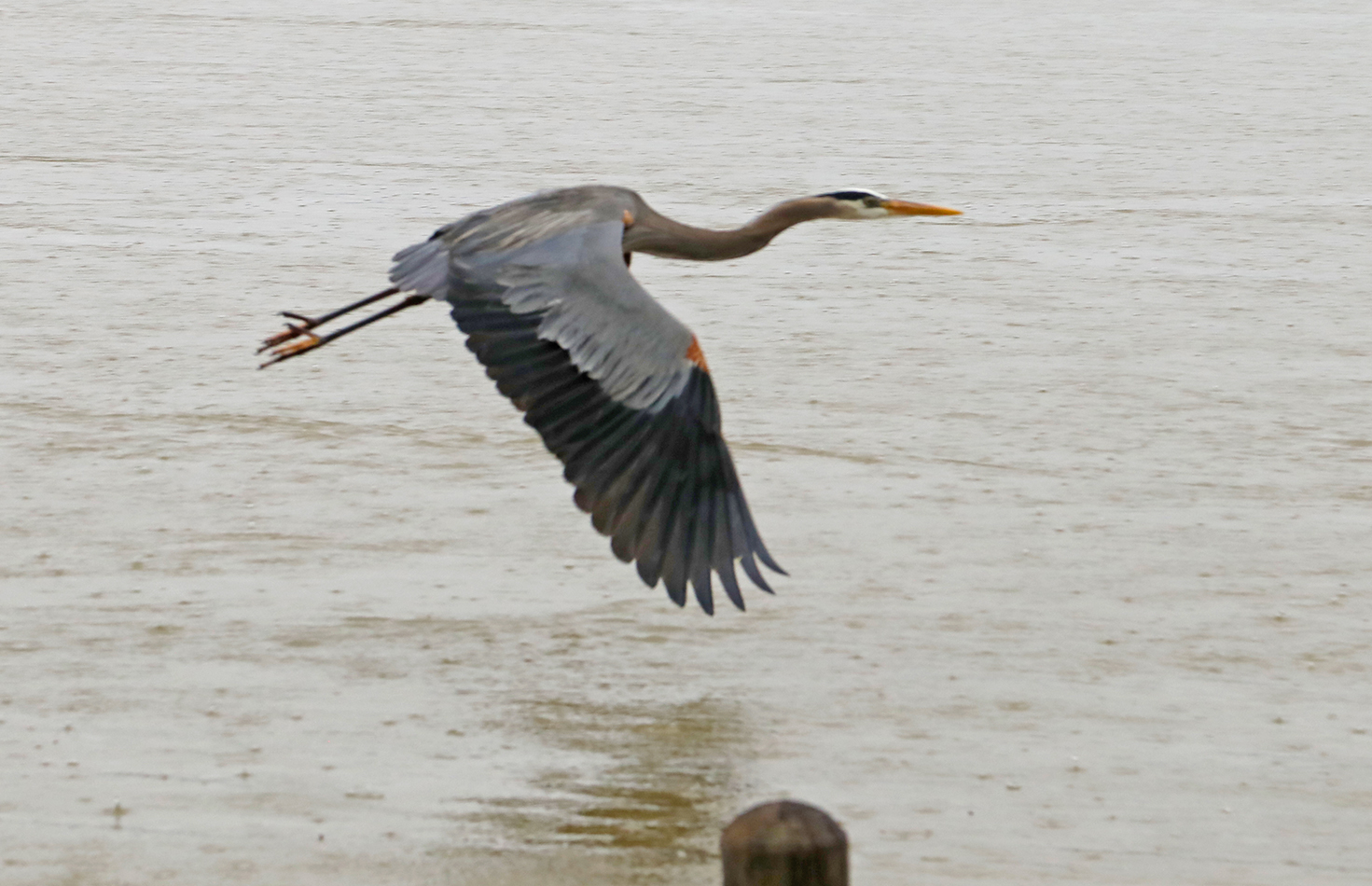
Great blue herons, Canada geese, wood ducks and belted kingfishers along the river and a variety of woodpeckers, vireos, thrushes, warblers, tanagers, orioles and sparrows in the riverbank forest and adjacent fields.
Chota Waterfowl Refuge, Tellico Reservoir
Grebes, loons, herons, bald eagles and a large variety of songbirds, including both resident species and neotropical migrants. This area also supports an average of 3,000 ducks during the winter months.
Hiwassee Refuge, Chickamauga Reservoir
Shorebirds, terns, double-crested cormorants, herons, ospreys, bald eagles and a large variety of songbirds. In winter sandhill cranes number in the thousands.
Guntersville State Park, Guntersville Reservoir
A wide variety of warblers, vireos and thrushes; scarlet tanagers and brown-headed nuthatches. The park is best known for large numbers of wintering bald eagles.
Muscle Shoals Reservation, Wilson Reservoir
All 37 species of eastern warblers (including the uncommon Swainson’s warbler in the Southport area), thrushes, bluebirds, eastern kingbirds, American kestrels, barred owls and woodpeckers along several miles of trails. Great blue and black-crowned night herons, terns, Baltimore orioles, hummingbirds, and occasional willets and spotted sandpipers along the river below Wilson Dam.
Duck River Unit, Tennessee National Wildlife Refuge, Kentucky Reservoir
Nesting herons, bald eagles, ospreys, tree swallows and prothonotary warblers. The Duck River, Busseltown, and Big Sandy units of the refuge also are home to large numbers of wintering ducks and geese.
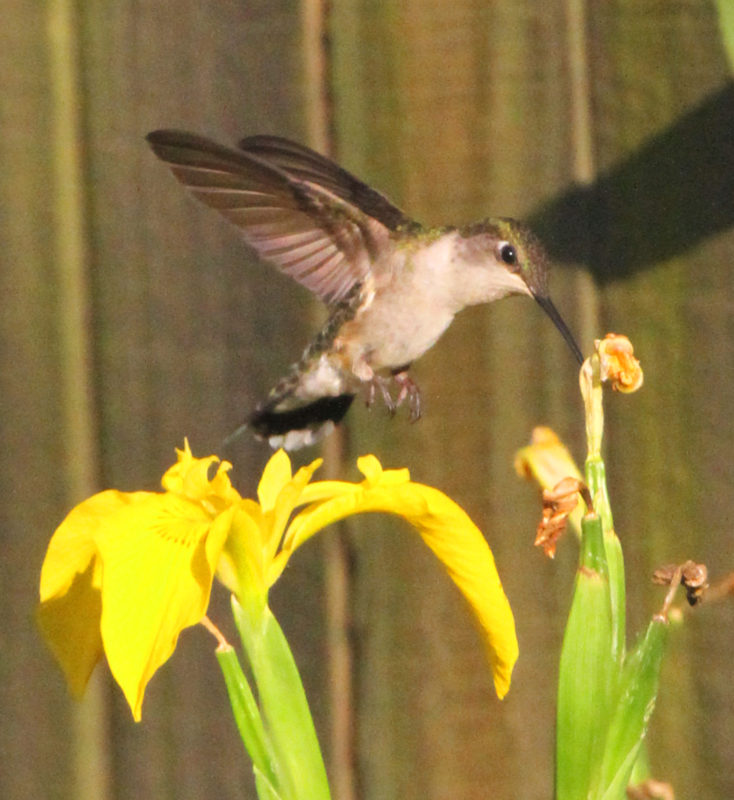
There are many fine birdwatching trails and nature areas in the Tennessee Valley—and some of the best are on TVA public lands. But most beginning bird watchers will find they have plenty to see in their own back yards.
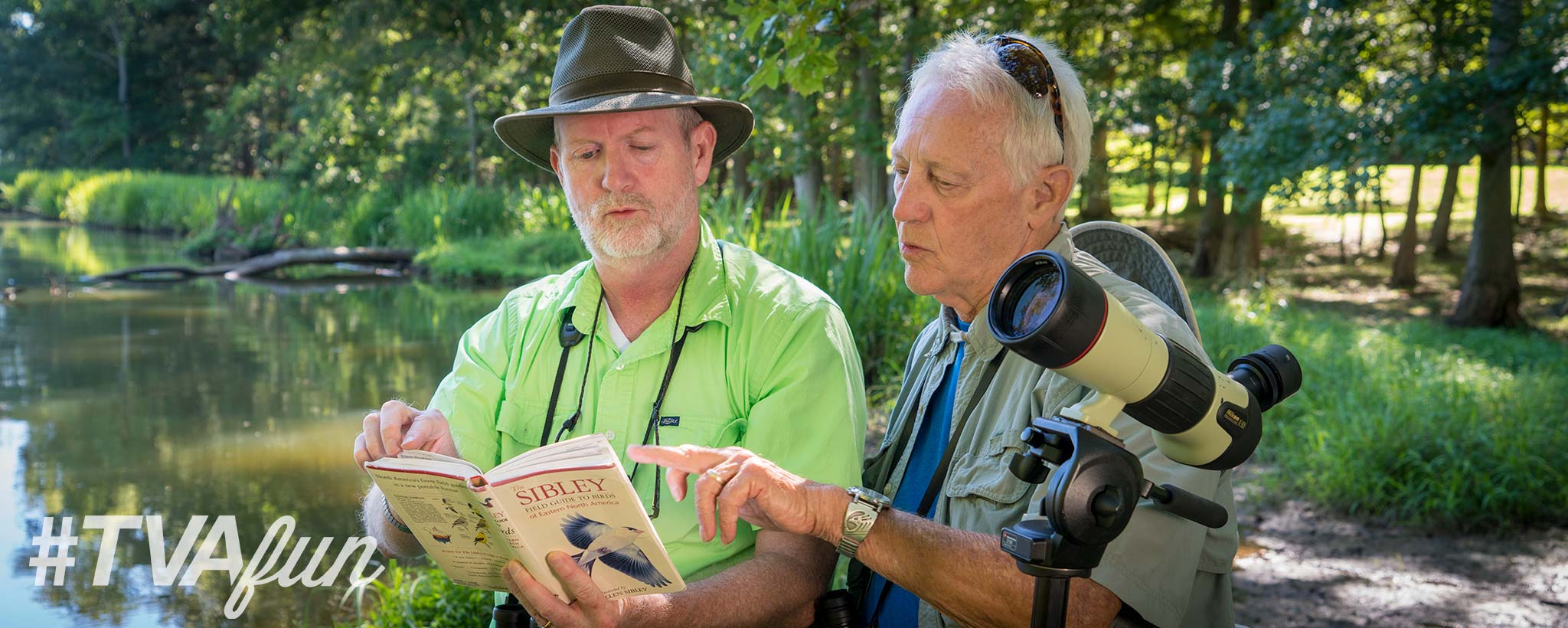
How do you get a good look at a bird so you can identify it? There are things you can do to give yourself an advantage in spotting birds. Grab a good birding guide—such as “The Sibley Field Guide to Birds of Eastern North America”—and follow these tips. Soon you’ll begin to see your feathered friends are all around you!
- Stare into the tree canopies and large shrubs for a few minutes. Watch for leaves moving. Try to keep your eyes unfocused so you’ll notice movement in your peripheral vision. Then you’ll know where to focus.
- Once you’ve located the bird with the naked eye, think about where he is in relation to the rest of the tree: on the right at three o’clock? On the lower left at seven o’clock?
- Practice finding birds in your binoculars. Don’t take your eyes down to your binoculars—bring the binoculars up to your eyes while keeping your eyes fixed on your bird.
- Listen for individual bird songs and calls. Birds usually give away their presence by making noise. Try to isolate a nearby song from among the others, and let the music lead you to the bird.
- If there’s a particular type of bird you really want to see, do some homework on the bird’s preferred habitat, nesting habits and when it tends to be most active.
- Get out there early. Many birds are early risers and are most active in the time period just before and just after dawn. Searching at 3:00 p.m. may be counterproductive.
- Place a birdhouse and birdbath in your yard to attract songbirds.
- There are no secret tricks to finding birds. Keep practicing your skills!
Media Release/TVA Newsroom

