
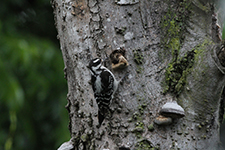
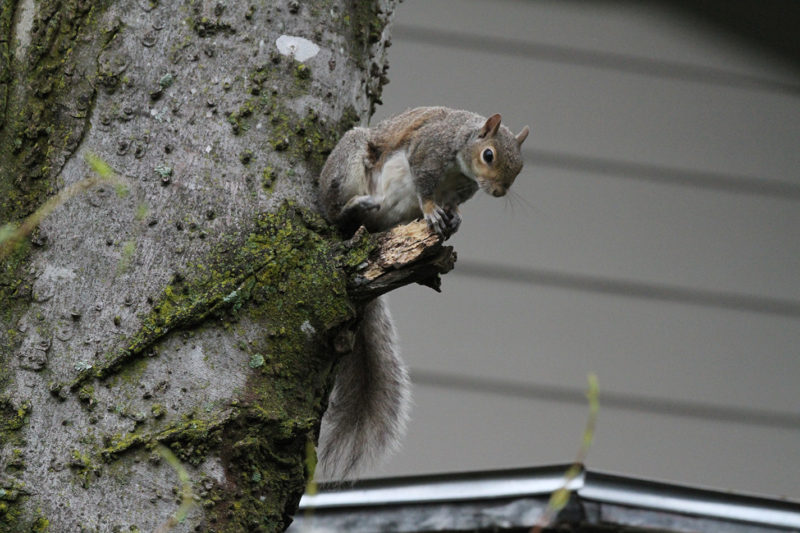
 MONTGOMERY-An often overlooked component of wildlife habitats are snags, dead standing trees that are left to naturally decompose.
Hundreds of species including birds, squirrels, bats, raccoons, and more use nearly every part of a snag while it decays. Hollowed out cavities used for nesting are the most noticeable way snags are beneficial to wildlife. These cavities and nests provide shelter from predators and harsh weather, while providing a safe place to raise their young.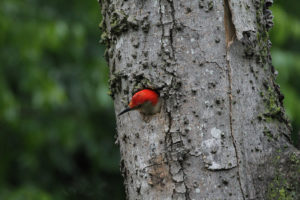
Some species like squirrels and chipmunks use snags to store food for later use. Birds of prey perch on the limbs of a snag searching for their next meals. Insects, mosses, lichens, and fungi are attracted to decaying trees and provide a food sources for woodpeckers, lizards, frogs, and more.
Also, there are vital nutrients a decaying tree releases into the soil as it decomposes. If you are managing for wildlife on your property, consider leaving snags on the landscape for the benefit of many wildlife species.
Media Release/Alabama Department of Conservation and Natural Resources

