
Photo Credit: Ron Ferguson
MONTGOMERY-While many birds migrate to warmer climates for the winter, others stay put to maintain a territory and avoid the obstacles of migration. The tradeoff for staying is having to endure the cold. As temperatures drop and winter quickly approaches, many of us reach for warm jackets and gloves. While birds do not have the luxury of wrapping up in a blanket as we do, they do have a number of special adaptations that allow them to stay warm all winter long.
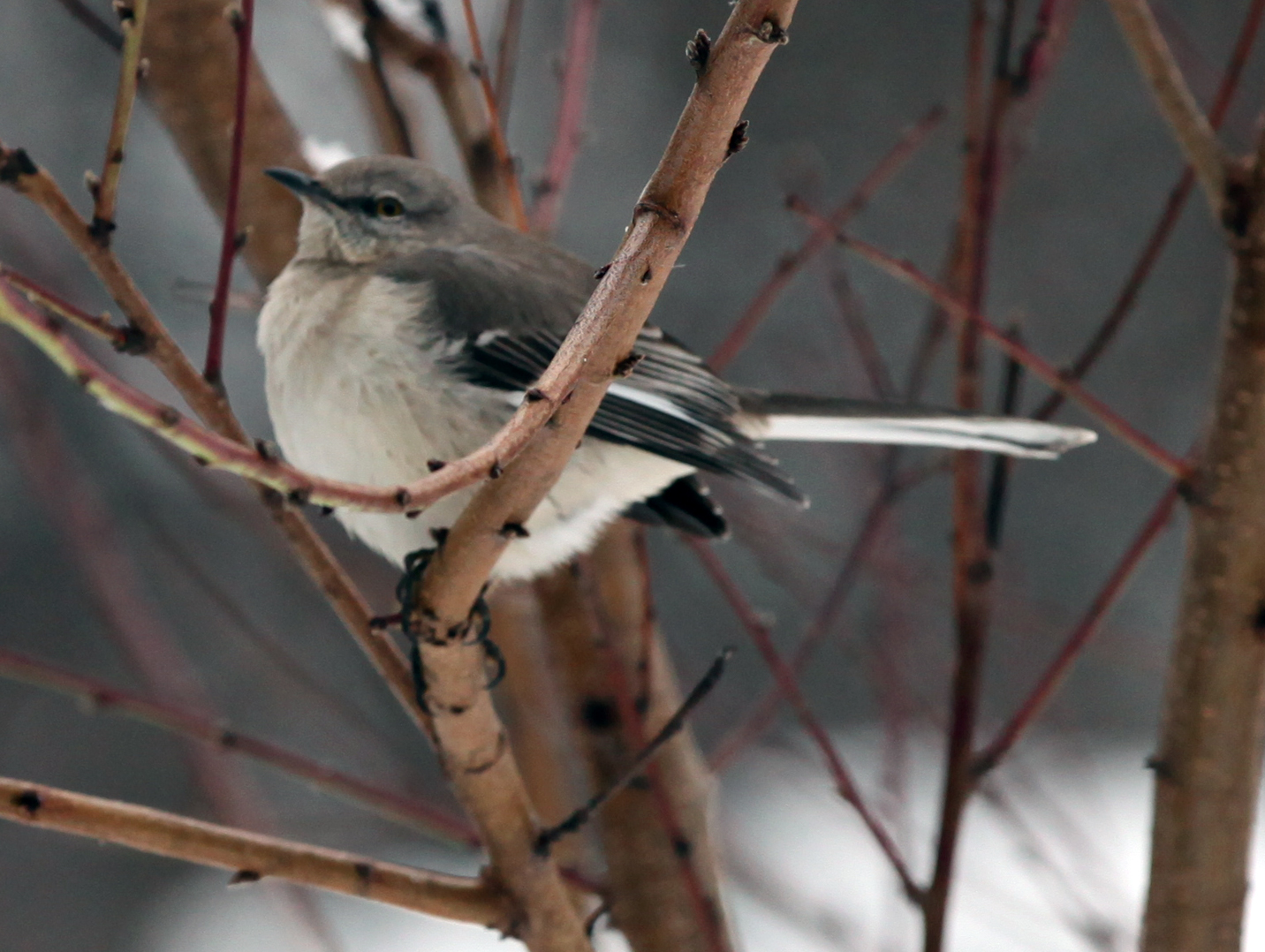
One primary layer of defense is their feathers, which act as their specialized weatherproof jacket. Feathers provide great insulation and help keep birds both warm and dry. You may notice that birds look puffier during the winter, and while humans can blame their extra puff on holiday snacks, birds puff up their feathers to trap warm pockets of air between their body and their feathers. To preserve these layers of air, birds must maintain clean and dry feathers by consistently preening, or cleaning, the feathers. During preening, special oils are produced to weatherproof their feathers making them a strong barrier against environmental conditions.
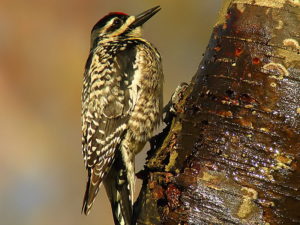
Yellow-bellied sapsucker by Robert Stanowski
Another evolutionary process that waterbirds use to stay warm is the counter-current heat exchange system in their legs. The arteries and veins in the legs coming to and from the body are close enough to each other that one warms the other. This results in heat exchange from warm blood leaving the body to cold blood before returning to the body, which helps regulate body temperature. Other tactics birds use to stay warm are shivering, seeking shelter in unoccupied birdhouses or dense vegetation, or huddling together to share warmth.
As you can imagine, birds burn a lot of energy to stay warm during the winter months. A steady food supply is essential for their survival which makes feeder food even more important during this season. Consider putting high energy foods like peanuts, suet, black oil sunflower seeds, or other good seed mixes in your feeders to provide a much-needed snack to local wintering birds.
To learn more about wintering birds in Alabama please visit Alabama Department of Conservation and Natural Resources Watchable Wildlife site.
Media Release/Alabama Department of Conservation and Natural Resources

