
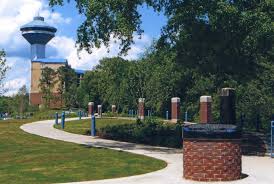
 FLORENCE—Mayor Mickey Haddock and the Florence City Council announced that the City of Florence hosted the dedication ceremony for the 2016 Walk of Honor Inductees Thursday, August 4, 2016, at the Marriott Shoals Conference Center. The Walk of Honor, located in the beautiful River Heritage Park, recognizes individuals of Florence and Lauderdale County who have achieved national or international acclaim. This is a means to give honor and perpetuate the name and achievement of deserving individuals, either current or former citizens, through a form of civic recognition. Areas of national or international accomplishment include, but not limited to: agriculture, art, athletics, business, education, government, humanities, literature, medicine, military, music, public service, religion, and science and technology.
The 2016 Inductees and their achievements are as follows:
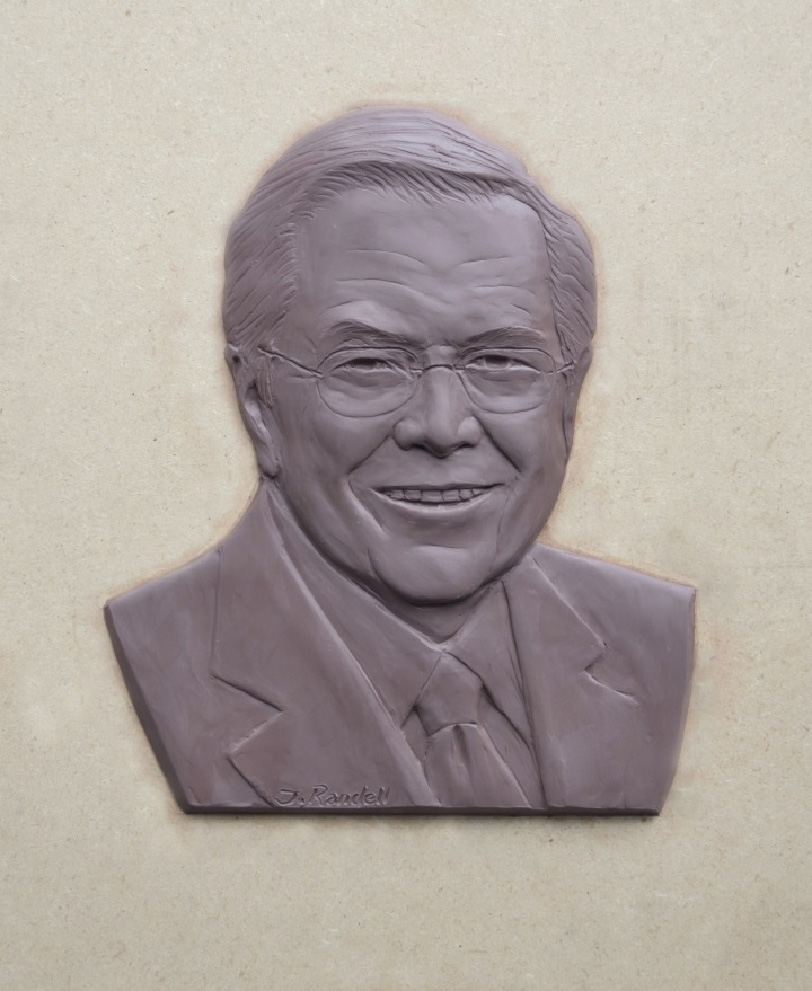
Widely known and admired both for his success in business and for his philanthropy, Charles C. Anderson was one of only 12 individuals in the United States to receive the Horatio Alger Award in 2014.
CHARLES CAINE ANDERSON
Bio Summary:
Charles C. Anderson, Sr. is a successful businessman locally, nationally, and internationally. He was born in Florence in 1934 and has lived here his entire life, graduating from both Coffee High School and the University of North Alabama. He is married to his high school sweetheart, Hilda, and they have four sons who are all involved in the family businesses. Charles was one of only 12 people nationwide to receive the Horatio Alger Award in 2014. This award is presented to honorees who start from humble beginnings and become highly successful—and who become known for their philanthropy.
Learning at an early age the value of hard work and the importance of faith and family, Charles went from working for his father in a small newsstand to the head of a multi-million dollar business enterprise. His entrepreneurial spirit and solid upbringing led him along the way.
In all of his successes, he has given back into our community and across the globe many times over and made numerous worthwhile projects feasible. He was not one who sought recognition, but quietly giving a hand of financial support or providing an opportunity for others to work.
The Horatio Alger Award noted that “a dedicated leader in his community and beyond, Mr. Anderson has served on the boards of the U.S. Space and Rocket Center, First United Bancorp, and Heritage Trust Fund, and was a charter member of the Shoals Economic Development Authority Board. He was the University of North Alabama Alumnus of the Year in 1979. A longtime supporter of the Salvation Army, Mr. Anderson served on its National Advisory Board. He was inducted into the Alabama Business Hall of Fame in 2002 and into the Alabama Academy of Honor in 2011. He is a member of the University of Alabama President’s Cabinet and the President’s Cabinet at the University of North Alabama, his alma mater. With a shared interest in education, Mr. and Mrs. Anderson have made many contributions to universities, schools and other charitable causes.”
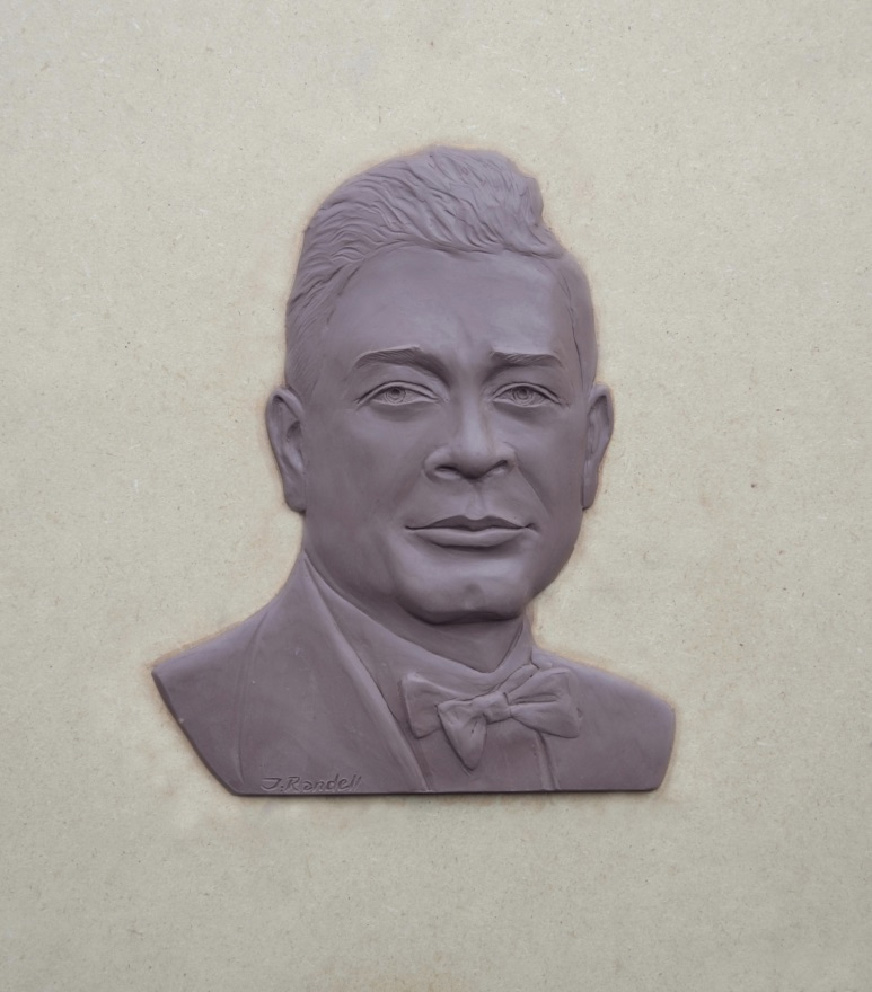
In 1928, Oscar S. DePriest, son of former slaves, became the first 20th century African-American Congressman from the north. He is credited with the Anti-discrimination Amendment to the 1933 Civilian Conservation Corps Bill.
OSCAR STANTON DEPRIEST
Bio Summary:
Born in Florence, Alabama, in 1871, Oscar DePriest rose from humble beginnings as the son of former slaves in Alabama to become the first black Congressman from the North. He moved from Florence to Kansas, and then in 1888, to Chicago where he started working first as a painter and then in his own real estate business. From there, he became a politician and a legislator. For many years he was a major force in local politics in Chicago.
DePriest got his start in politics around the turn of the century after attending a community meeting. According to the Chicago Tribute Markers of Distinction, he was “shrewd, smart, and street savvy.” He developed great organizational skills and devoted his time to politics. He became popular among the Republican Party leaders and was nominated for Cook County Commissioner in 1904. In 1915 he was elected alderman of the 2nd Ward. He introduced a civil rights ordinance in the City Council the next year. In 1928, he was elected to the First District seat in the U.S. House of Representatives and served three terms. He is credited with the passing of the antidiscrimination amendment to the 1933 bill establishing the Civilian Conservation Corps.
After leaving Congress, he ran again for alderman in Chicago and served from 1943 to 1947.
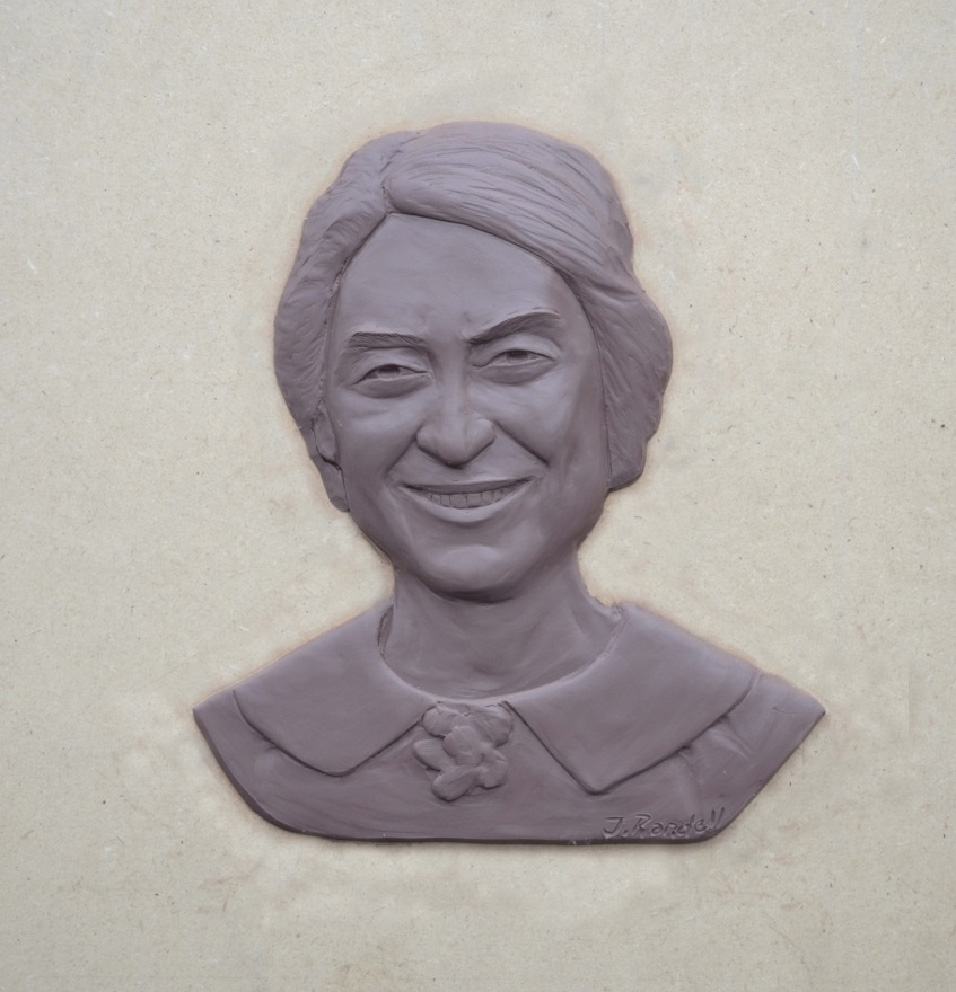
Dr. Ellen D. Hoffleit, celebrated worldwide for her many contributions to astronomy, discovered more than 1,200 variable stars. She authored Yale Bright Star Catalogue which is used in almost every astronomical observatory in the world.
DR. ELLEN DORRIT HOFFLEIT
Bio Summary:
Dr. Hoffleit was born in Florence, Alabama, and raised in New Castle, Pennsylvania. Her interest in stars began as a young child watching fireballs appear to collide in the skies above her backyard. She graduated from Radcliffe College with a degree in mathematics in 1928, and then began her career as a research assistant at the Harvard Observatory where she soon became an expert at determining spectroscopically the absolute brightness of stars. Under the supervision of Harlow Shapley she went on to earn a Ph.D. in astronomy in 1938, for which she was awarded the Carolyn Wilby Prize for the best original research. She worked at Harvard for 25 years and then was hired at Yale University in 1956 to run its star cataloging program.
In 1957 she was named director of the Maria Mitchell Observatory at Nantucket, where she initiated a summer research program for undergraduates, primarily young women. Under her mentorship, eleven of these women went on to earn Ph.D.’s in astronomy; collectively they discovered more than 1,000 new variable stars and published more than 90 research papers.
Dr. Hoffleit’s major work during her years at Yale was The Bright Star Catalogue which is still used today at virtually every Astronomical Observatory in the world. Her many awards include the 1968 George van Biesbroeck Award for dedication to astronomy and the 1993 AAS-Annenberg Prize for science education. She is the past president of the American Association of Variable Star Observers. Asteroid Dorrit was named for her, and a Hoffleit Assistantship was established at the Mitchell Observatory to honor her work.
Though officially retired in 1975, Dr. Hoffleit continued to research for star catalogues as a Senior Research Scientist Emeritus. She passed away in 2007 at the age of 100.
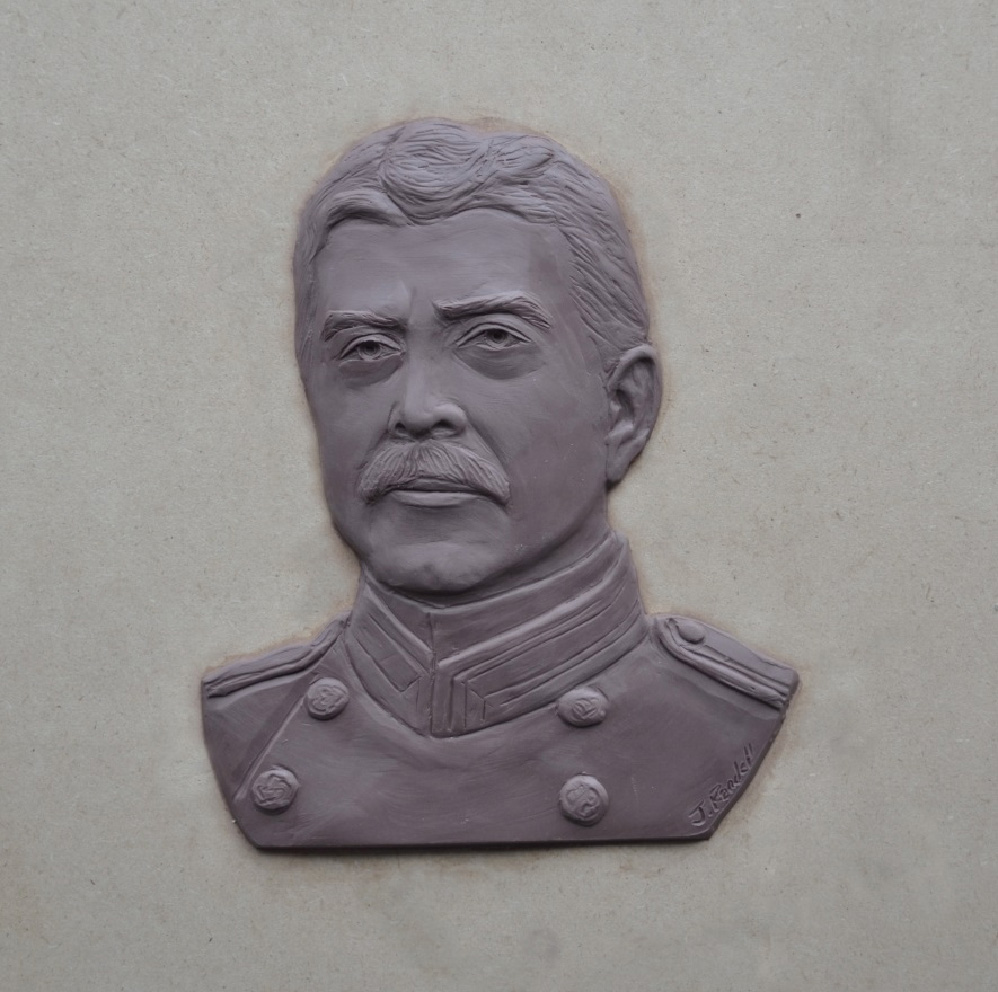
Commander of the Hawk, the fastest U.S. ship In the Spanish-American War, Rear Admiral John Hood then commanded the Fourth Division of the Atlantic Fleet in World War I. The USS John Hood (DD-655) was named for him.
REAR ADMIRAL JOHN HOOD
Bio Summary:
John Hood was born in 1859 to John Murray Hood and Cornelia Heslip Hood. He grew up in Florence where he heard many stories of gunboats on the Tennessee River during the Civil War, and he watched the steamboats travel up and down the river. The call of the nautical life was strong. He graduated second in his class from the Unites States Naval Academy in Annapolis in 1879 and embarked upon a career which brought him to the rank of Rear Admiral.
Hood commanded the gunboat Hawk, the fastest ship in the American Squadron during the Spanish-American War. After the war, Officer Hood was responsible for the laying of the Pacific Cable. He received superior naval commendations for his command of various ships and was a member of the Navy’s General Board. During World War I, Admiral Hood commanded the Fourth Division of the Atlantic Fleet.
In 1943, the destroyer USS John Hood (DD-655) was named in his honor.
Admiral John Hood was a widely recognized military hero for his accomplishments during the Spanish-American War and World War I.
After receiving nominations from the public, the Walk of Honor Selection Committee chose the four inductees. These Inductees join the thirty-five individuals selected from previous years. A bronze plaque with a picture of the inductee, along with a brief inscription of their accomplishment, has been placed on the Walk of Honor monuments in the park. The public is invited to visit the site. More detailed information on these individuals is available in the Local History and Genealogy Department at the Florence-Lauderdale Public Library.
Media Release/City of Florence, Alabama

