
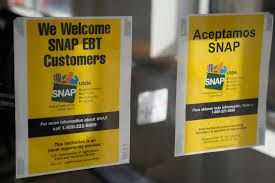
MONTGOMERY-New USDA data confirms that Alabama, along with 35 other states, will soon face massive new costs to continue SNAP – increasing the risk that more struggling families could soon lose food assistance. Congress must delay this cost shift for all states.
Starting October 1, 2027, most states will be required to pay a portion of SNAP benefit costs for the first time depending on their “payment error rate” in fiscal year 2025 or 2026. The state’s error rate measures the extent to which states gave families too much or too little in SNAP, largely due to clerical or paperwork errors like a missing phone number or date on forms
“It is now clear, based on the current error rate and timeline, Alabama will have to appropriate an additional $172 million in 2026 in order to keep one of our most vital nutrition programs – SNAP,” said LaTrell Clifford Wood, Arise’s hunger policy advocate. “This is a problem created by Congress with the passage of last year’s One Big Beautiful Bill Act, and our Senators should at minimum mitigate the harm done by this misnamed act and delay the cost shift in the current Farm Bill.”
This timeline gave Alabama very little time to reduce errors, while states with higher rates will see a delay in the cost shift. The 2025 error rate largely reflects mistakes that occurred long before HR 1 passed on July 4, 2025. That’s an unfair measure to pin such huge penalties on.
In Alabama, new red tape for people with unstable employment will prevent people from being able to purchase groceries using SNAP. That includes people who participate in the gig economy, uber drivers, teachers, caretakers, school nutritionists and other part-time employees or seasonal employees. More than 52,480 people in Alabama, including more than 24,000 children, have already lost access to SNAP since HR 1 was passed last year.
The payment error rate is a measure of underpayments and overpayments that states make while determining household payments. Improper denials of SNAP assistance don’t count as errors nor do purchases of unallowed items. The payment error rate only measures whether a household got exactly the right amount of assistance at a particular point in time.
Most overpayments represent cases where the household was eligible for SNAP but received the wrong amount because of a change in their circumstances. Errors overwhelmingly result from unintentional mistakes by eligibility workers or participants – not fraud. The Commissioner of the Alabama department of human resources, administrative staff, and nutrition experts broke this down to legislators in a study group in early June.
Media Release/Matt Okarmus
Senior Communications Associate
Alabama Arise

