
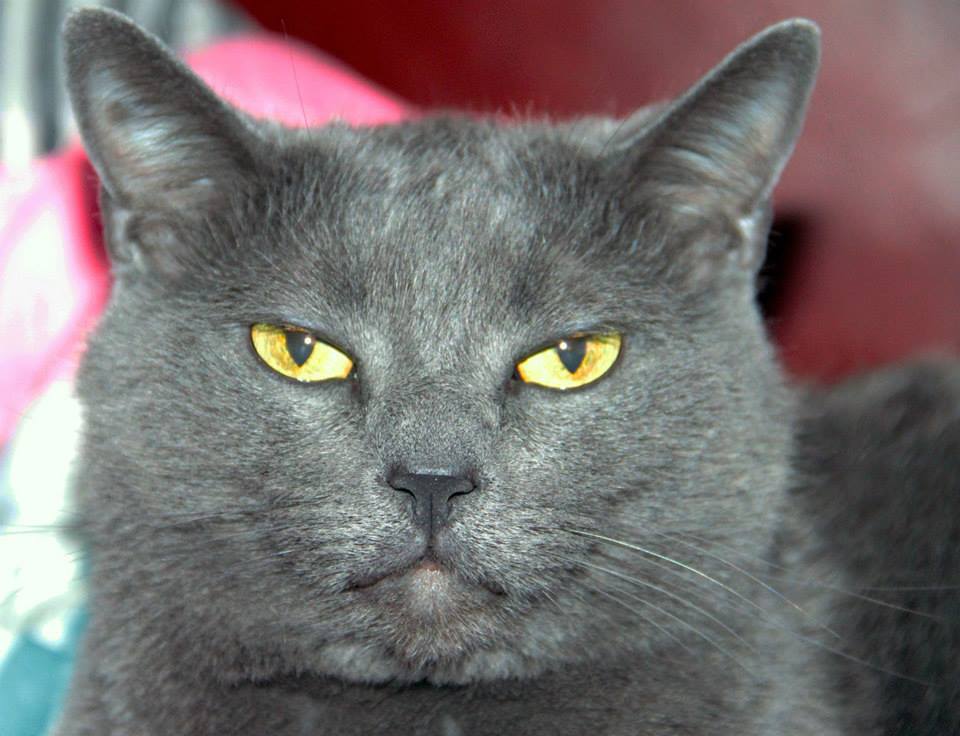
 Catnip is best known for producing bouts of euphoria in cats of all sizes, from house cats to their big cat brethren (including bobcats, jaguars, and lions). In addition to giving felines a healthy release from stress and anxiety, however, some studies show it offers up an additional perk: repelling mosquitos. Related to mint, basil, and lemon balm, Nepeta cataria (aka catnip) emits a chemical compound called nepetalactone when crushed, which naturally wards off some mosquito species. What’s more, catnip-addled cats often chew and rub the leaves into their coats, an action that (unknowingly) spreads the natural bug repellent around. While catnip is all fun for cats, it’s not so great for mosquitos; Nepeta leaves may be effective at fending off pests because they cause pain to the buzzing bugs. Researchers initially theorized that catnip’s aroma was enough to repel the insects, but some studies show mosquitoes exposed to nepetalactone actually feel pain or itchiness in the same way humans experience the sensation of wasabi.
Indoor cats may not need mosquito protection, but catnip still provides a safe, effective way for them to calm down — although scientists aren’t fully sure how it works. It’s possible that catnip affects cat brains in the same way opioids work in humans to relieve pain: One study found that cats who were given naloxone — a lifesaving medication that blocks opioid receptors and is used to treat narcotics overdoses — didn’t have a reaction to catnip. Even so, catnip doesn’t work on all cats. Kittens won’t respond to the plant’s minty leaves until 3 to 6 months old; plus, catnip sensitivity is hereditary, and an estimated 50% of cats don’t experience any reaction at all. But if your cat just so happens to turn up its nose at fresh catnip, don’t worry. Humans can use it for a calming tea similar to chamomile.
Media Release/InterestingFacts.com

