
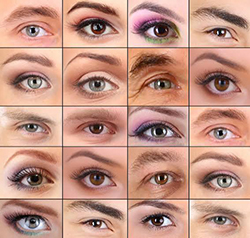
Eyebrows are one of those features we rarely stop to question, even though they’re central to human expression. They frame and highlight the eyes, shift with our changing emotions, and help us recognize one another. Entire beauty trends have revolved around styling them, from the pencil-thin brows of the 1920s to today’s fuller, more feathery looks.
But unlike other facial features such as eyes or teeth, eyebrows don’t seem immediately essential for survival. So why did we evolve them at all? 
One of the simplest functions of eyebrows is protection. They help divert sweat, rain, and debris away from the eyes. Even a small amount of moisture can blur vision or cause irritation, which would have been a significant disadvantage for early humans navigating unfamiliar terrain or tracking prey.
The shape of the brows helps channel liquid sideways toward the temples rather than straight down into the eyes. In that sense, eyebrows function a bit like a built-in gutter system.
Some researchers believe the heavy brow ridges seen in early hominins provided additional protection for the eye area. Those prominent ridges gradually became smaller as human faces evolved, but the hair above them remained.
Eyebrows also help block dust, dirt, and tiny particles before they reach the eye. The brows’ slightly arched shape is particularly effective for this, because it catches and diverts material that may otherwise fall directly downward.
 Humans are unusually expressive compared to most animals, and eyebrows play a major role in that ability. A raised eyebrow can signal surprise, skepticism, curiosity, or amusement, while a furrowed brow communicates concern, anger, confusion, or concentration. Those movements happen so quickly and naturally that we rarely think about them, but the people around us are constantly reading them.
We may be especially dependent on eyebrows because our faces are relatively hairless compared to many other mammals. Without heavy facial fur, subtle eyebrow movements become easier to see, making them a potent communication tool. Some anthropologists have even proposed that the reduction of large brow ridges in modern humans may have made facial expressions easier to read.
Humans aren’t the only species with specialized features above the eyes. Many animals have evolved eyebrow-like structures, although they often serve different purposes.
Among primates, facial markings and fur patterns around the eyes can help individuals recognize members of their own group, interpret social signals, and even distinguish between closely related species. That ability can be important for finding appropriate mates and avoiding interbreeding — plus, social species tend to benefit from features that make communication and recognition easier.
Dogs provide another interesting example: Researchers have found that domestic dogs have evolved muscles around the eyes that wolves either lack or use to a far lesser extent. Those muscles allow dogs to produce the familiar “puppy dog eyes” expression that humans find especially appealing. Whether intentionally or not, dogs have become remarkably adept at communicating with us through facial expressions.
Birds don’t have eyebrows in the mammalian sense, but many species possess feather patterns that perform similar visual functions. Some use those patterns for species recognition, while others use them to signal aggression, dominance, or readiness to mate. Birds of prey often have pronounced bony ridges above the eyes that create a permanent “frowning” appearance, which helps reduce glare from sunlight while also protecting the eyes during hunting.
Media Release/Interesting Facts

