
HUNTSVILLE – For years, the Tennessee River and its surrounding waterways have been a
popular destination in North Alabama for outdoor recreation and paddlesports. The Northern
Division of the Alabama Law Enforcement Agency’s (ALEA) Marine Patrol has noticed a
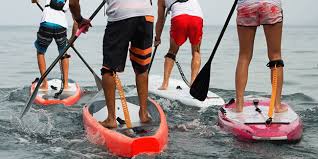
significant increase in paddlesports such as kayaking, canoeing, and stand-up paddleboarding.
While these activities offer a fun way to enjoy Alabama’s scenic waterways, they also come with
unique safety risks, especially when sharing busy channels with larger, motorized boats.
“During holiday weekends like Labor Day, the Tennessee River becomes extremely active with
both motorized vessels and paddlers,” said Matt Brooks, Chief of ALEA’s Marine Patrol
Division. “We want everyone to have a safe and enjoyable experience, which means being
courteous, staying alert and following all safety regulations. A little extra attention can prevent
tragic accidents.”
Motorized boaters and paddlers share the same waterways and must work together to keep
everyone safe. Paddlers should remain visible, avoid high-traffic boating lanes and stay aware of
their surroundings. Likewise, boat operators should watch for smaller crafts, slow down in
congested areas and give paddlers plenty of space.
Know the Rules – Paddlers Are Vessel Operators Too
Under Alabama law, canoes, kayaks and stand-up paddleboards are classified as vessels. This
means operators must follow many of the same safety requirements as boaters. ALEA
encourages paddlers to take extra precautions:
• Wear a properly fitted U.S. Coast Guard-approved life jacket at all times.
• Stay low in your craft; avoid standing in canoes or kayaks.
• Know your limits – avoid weather and water conditions beyond your skill level.
• Stay visible. Wear bright colors and use a light if out near dusk or dawn.
• Do not paddle alone and always tell someone your trip plan.
• Never boat while under the influence of alcohol or drugs.
• Learn self-rescue techniques and how to help others in an emergency.
For Motorized Boaters: Protect Smaller Craft
Paddlers are more vulnerable to sudden wakes, especially on stand-up paddleboards. Boat
operators should:
• Be vigilant for kayaks and paddleboards, especially near bridges, coves and shorelines.
• Slow down in congested areas or when passing smaller craft.
• Avoid creating large wakes near paddle sports activity.
• Always give paddlers plenty of space – the recommended clearance is at least 100 feet
when possible.
“The Tennessee River is one of Alabama’s greatest natural treasures, and it’s meant for everyone
to enjoy,” said ALEA Secretary Hal Taylor. “However, with more activity on the water during a
busy holiday weekend comes greater responsibility. By showing courtesy and practicing safe
habits, we can ensure that everyone returns home safely after the holiday.”
Colonel Jonathan Archer, Director of ALEA’s Department of Public Safety (DPS), echoed this
sentiment and reminded all waterway users to remain alert and aware.
“Due to limited maneuverability and a low profile to the water, paddlers can be hard to see in
heavy traffic,” said Colonel Archer. “Slowing down, watching your wake and respecting others’
space isn’t just courteous—it can save lives.”
For additional tips on paddlesports safety, visit: Paddlesports : BoatUS Foundation.
Media Release/Senior Trooper Brandon Bailey/Alabama Law Enforcement Agency

